
For collectors and interior design enthusiasts alike, Iranian rugs are more than just decorative pieces—they are works of art, cultural heritage, and often, solid investment opportunities. Investing in Persian rugs requires knowledge, patience, and an understanding of what makes certain pieces valuable.
With expert guidance from companies like Bijan Exclusive Rugs, many collectors have successfully built portfolios of rugs that appreciate in value over time. For those seeking more insights, exploring shayarilekh.com can provide valuable information on investment strategies. Whether you are a first-time buyer or a seasoned collector, these tips can help you make informed investment decisions.
1. Understand the Types and Origins of Persian Rugs
The value of a Persian rug often depends on its origin and style. Renowned weaving regions like Isfahan, Tabriz, Kashan, and Qom produce rugs known for their craftsmanship and intricate designs. Tribal rugs from areas like Shiraz or Kurdish regions may carry unique patterns and bold colors that appeal to specific collectors.
According to Bijan Morshedizadeh, understanding the provenance of a rug is essential, as rugs from historically significant regions or famous workshops tend to hold and increase in value. Collectors should research the differences between urban, village, and tribal rugs, as well as knot density and material quality.
2. Look for High-Quality Materials and Craftsmanship
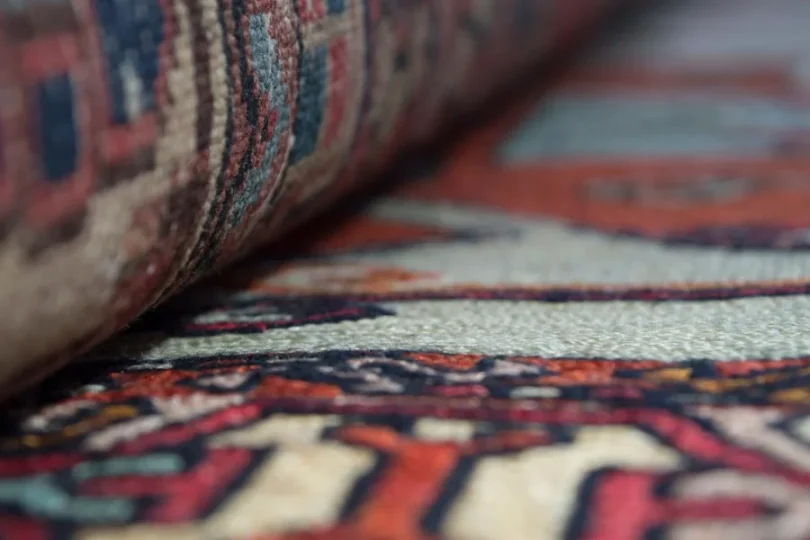
Persian rugs made from high-quality wool, silk, or a blend of both tend to be more valuable. Knot density is another critical factor—the more knots per square inch, the more detailed and durable the rug. Hand-knotted rugs typically have higher investment potential than machine-made alternatives.
Bijan Exclusive Rugs emphasizes that careful inspection of weaving techniques, color fastness, and pattern precision can help investors avoid lower-quality reproductions that may not appreciate over time. Hand-spun wool and natural dyes are particularly sought after in the collector’s market.
3. Consider Size and Condition
While larger rugs can make a striking impression, smaller rugs or runners may be more practical for certain collectors and often sell well in niche markets. Condition is equally important. Well-preserved antique rugs without significant wear, stains, or moth damage are more likely to appreciate.
Bijan Morshedizadeh advises potential investors to pay attention to signs of restoration or repairs, as these can affect both the aesthetic appeal and resale value. Buying rugs from reputable dealers ensures authenticity and transparent disclosure about a rug’s condition.
4. Verify Authenticity
Authentication is a crucial step for anyone investing in Persian rugs. Provenance documentation, expert appraisals, and certification can protect buyers from counterfeits. Features such as consistent knotting, signature patterns, and traditional motifs are indicators of authenticity.
Bijan Exclusive Rugs provides collectors with expert verification services, ensuring that each rug purchased is genuine and accurately represented in terms of origin, materials, and age. Partnering with trusted dealers reduces the risk of making costly mistakes.
5. Focus on Rarity and Unique Designs
Rarity often drives investment value. Limited-production rugs, antique pieces, or rugs with unusual designs and color combinations tend to appreciate more than mass-produced versions. Tribal and nomadic rugs, while less uniform, can sometimes command high prices due to their uniqueness.
Investors should consider both aesthetic appeal and market demand. Rugs that stand out visually while maintaining traditional authenticity are often the most sought after by collectors and interior designers alike.
6. Understand Market Trends and Timing
Like any investment, Persian rugs are subject to market fluctuations. Trends in interior design, global demand, and economic conditions can affect prices. Monitoring auction results and consulting market reports from reputable dealers can help you make strategic purchases.
Bijan Morshedizadeh notes that long-term investment strategies usually outperform short-term speculation. Patience and careful selection are key to building a collection that appreciates steadily over time.
7. Proper Care and Maintenance
A rug’s value can deteriorate quickly if it is not maintained properly. Regular cleaning, rotation to prevent uneven wear, and protection from sunlight, moisture, and pests are essential. Storing rugs in climate-controlled conditions, especially antique pieces, can preserve their condition for decades.
Bijan Exclusive Rugs offers guidance and services for rug care, helping investors protect their assets and maintain both aesthetic appeal and market value. Proper maintenance ensures that your investment continues to grow over time.
8. Diversify Your Collection
Like any investment portfolio, diversification can reduce risk. Consider collecting rugs from different regions, eras, and sizes. Mixing tribal, village, and urban rugs, as well as both antique and contemporary pieces, allows you to balance aesthetic interest with potential financial appreciation.
Experienced collectors often recommend starting with a few key pieces and gradually expanding the collection as knowledge and market confidence grow.
9. Work with Trusted Experts
Investing in Persian rugs requires expertise that comes with experience. Trusted dealers, authenticators, and appraisal services provide valuable guidance and protect against costly mistakes. Working with reputable companies like Bijan Exclusive Rugs ensures access to genuine Iranian rugs, expert advice, and reliable market insights.
Final Thoughts
Investing in Persian rugs is both an art and a science. Success depends on understanding materials, craftsmanship, provenance, rarity, market trends, and maintenance. By following these tips and leveraging expert guidance from professionals like Bijan Morshedizadeh and companies such as Bijan Exclusive Rugs, collectors can build a portfolio of beautiful, valuable rugs that not only enhance their living spaces but also appreciate as long-term investments.
For anyone passionate about interior design, culture, and heritage, Persian rugs offer the unique combination of beauty and financial value—making them a wise addition to any investment strategy.