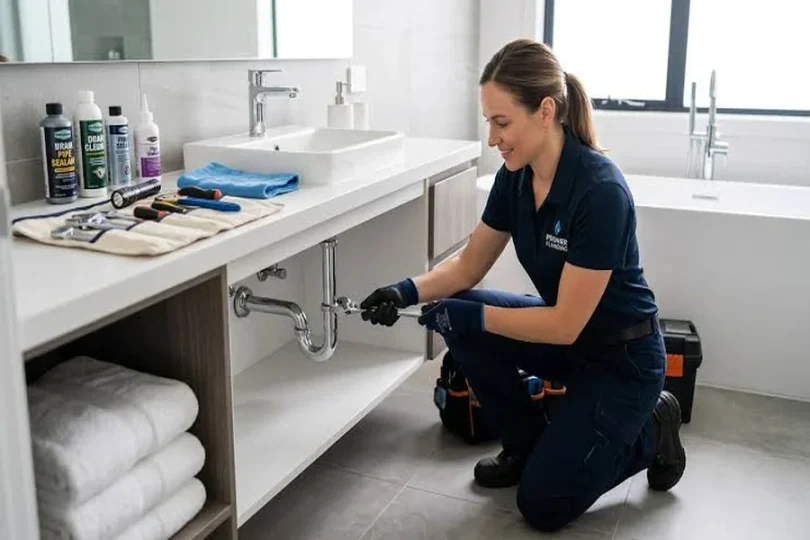

A home’s plumbing system works quietly in the background every day. It supplies clean water, removes wastewater and supports everyday activities such as cooking, bathing, washing clothes and cleaning. Because most plumbing components remain out of sight, homeowners often pay attention to them only when something goes wrong.
A dripping faucet, slow kitchen sink or running toilet may seem like a minor inconvenience. However, small plumbing issues can develop into expensive repairs when ignored. A hidden pipe leak can damage cabinets and flooring, while a blocked drain can eventually cause wastewater to back up into the home.
For homeowners in Jacksonville, regular plumbing maintenance is an important part of protecting a property. The area’s humid conditions, seasonal storms and variety of older and newer homes make it worthwhile to understand how plumbing systems work and what warning signs to watch for.
Here are practical ways to maintain your plumbing, prevent common problems and know when professional help is needed.
1. Check for Leaks Before They Become Expensive
Leaks are among the most common household plumbing problems. Some are immediately noticeable, such as a dripping kitchen faucet or water collecting beneath a bathroom sink. Others develop behind walls, under floors or around concealed pipe connections.
Even a small leak can waste water continuously. Over time, moisture may also damage wooden cabinets, drywall, flooring and other nearby materials.
Make a habit of checking these areas:
- Beneath kitchen and bathroom sinks
- Around toilet bases and water supply connections
- Behind washing machines and dishwashers
- Near water heaters
- Around exposed pipes in garages and utility rooms
Look for water stains, peeling paint, swollen cabinets, unusual dampness and persistent musty smells. An unexplained increase in your water bill may also indicate a hidden leak.
One useful habit is to check your water meter when no water is being used in the house. If the meter continues registering water consumption, there may be a leak somewhere in the system. Make sure appliances and automatic water systems are not running before performing this check.
If you suspect a leak but cannot identify its source, arrange a professional inspection before opening walls or removing flooring.
2. Keep Kitchen and Bathroom Drains Clear
Blocked drains can disrupt daily routines and create unpleasant odours. Most household blockages develop gradually as grease, soap residue, hair, food particles and other materials accumulate inside pipes.
Kitchen sinks are particularly vulnerable to grease and food waste. Cooking oil may look liquid when poured into a drain, but it can cool, stick to pipe walls and trap other debris. Bathroom drains commonly collect hair and soap residue.
A few simple habits can reduce the risk of blockages:
- Dispose of cooking oil and grease in a suitable container rather than pouring them down the sink.
- Install drain strainers to catch food particles and hair.
- Clean sink and shower strainers regularly.
- Avoid flushing wipes, paper towels and hygiene products.
- Do not treat the kitchen sink as a disposal point for leftover food.
If water begins draining slowly, investigate the issue early. Repeatedly using chemical drain cleaners is not a reliable long-term solution, particularly when the blockage is deep inside the pipe.
Recurring clogs may indicate a larger obstruction, pipe damage or a problem with the main drainage line.
3. Pay Attention to Your Water Pressure
Water pressure affects almost every plumbing fixture in a home. When it becomes too low, showers lose their usual flow, sinks take longer to fill and appliances may not operate as expected.
The cause depends on whether the problem affects one fixture or the entire property.
If only one faucet has weak pressure, its aerator may be clogged with mineral deposits or debris. If several fixtures experience reduced pressure, the issue could involve a partially closed valve, a faulty pressure regulator, a supply-line problem or a hidden leak.
Sudden changes deserve particular attention.
Check whether the problem occurs throughout the house, whether it affects hot water only and whether it started after any plumbing work. These observations can help a professional identify the cause.
Do not automatically assume that increasing the pressure will solve the problem. Excessively high water pressure can put additional strain on pipes, valves, appliances and connections.
4. Maintain Your Water Heater
A dependable water heater makes everyday household tasks more comfortable. However, like other appliances, it requires attention to remain in good working condition.
Common water heater problems include inconsistent temperatures, unusual noises, leaks and insufficient hot water. Depending on the unit, these symptoms may be associated with sediment accumulation, faulty heating elements, thermostat problems or worn connections.
Homeowners should periodically inspect the area around the water heater for moisture, corrosion and signs of deterioration.
It is also useful to:
- Follow the manufacturer’s maintenance recommendations.
- Keep the area around the unit clear.
- Check for visible leaks around connections.
- Pay attention to unusual popping or rumbling sounds.
- Arrange professional servicing when performance changes.
Tank water heaters may accumulate sediment over time, particularly depending on the incoming water supply. A qualified technician can determine whether flushing or other maintenance is appropriate for the specific unit.
Never attempt electrical or gas-related repairs without the necessary qualifications. If you notice a gas smell, leave the area and contact the appropriate emergency service or utility provider.
5. Know the Warning Signs of Sewer Line Problems
A problem with the main sewer line can affect more than one fixture. Unlike an isolated sink blockage, a sewer line obstruction may cause several drains to slow down or back up at the same time.
Common warning signs include:
- Multiple drains making bubbling or gurgling sounds
- Water backing up into a shower or bathtub when a toilet is flushed
- Repeated blockages in different parts of the house
- Persistent sewage-like odours
- Wastewater appearing in floor drains
Tree roots, damaged pipes, accumulated debris and unsuitable materials entering the drainage system can all contribute to sewer line problems.
If you notice these symptoms, avoid continuing to use affected fixtures. Excessive water use may make a backup worse.
A professional inspection can help establish whether the issue is caused by a blockage, damaged pipe or another drainage problem. In some situations, a sewer camera inspection can identify the location and condition of the obstruction without immediately requiring excavation.
6. Prepare Your Plumbing for Jacksonville’s Storm Season
Storm preparation usually focuses on roofs, windows, outdoor furniture and emergency supplies. Plumbing should also be part of the process.
Heavy rainfall can create drainage challenges, while flooding around a property may affect outdoor plumbing equipment and areas where water or sewer lines are located.
Before severe weather, homeowners should consider the following:
Check outdoor plumbing: Inspect exposed faucets, hose connections and visible pipes for leaks or damage.
Clear drainage areas: Remove leaves and debris from appropriate exterior drains so water can flow away from the property.
Locate the main water shut-off valve: Make sure household members know where it is and how to operate it safely.
Secure loose outdoor equipment: Remove or secure hoses and other attachments that could be damaged during strong winds.
Inspect the property after the storm: Look for unusual standing water, damaged connections, damp areas and signs of water entering the home.
If a property experiences flooding or sewage backup, avoid contact with contaminated water. Do not attempt to operate electrical equipment in flooded areas. Arrange appropriate professional assistance before using affected plumbing systems again.
7. Understand When a Plumbing Problem Is an Emergency
Some plumbing problems can wait for a scheduled appointment. Others require immediate attention because they can cause extensive damage or create health and safety concerns.
A dripping faucet, for example, is usually less urgent than a burst pipe or sewage entering a living area.
Situations that generally require prompt action include:
- A burst pipe or rapidly spreading water leak
- Water entering ceilings, walls or electrical areas
- Sewage backing up into the home
- A major leak that cannot be controlled
- A complete loss of water supply
- A water heater leaking significantly
If a pipe bursts, locate and close the main water shut-off valve if it is safe to do so. Move valuables away from affected areas and avoid electrical equipment near standing water.
For a serious leak or flooding situation, contact an appropriate professional rather than attempting a temporary repair that may fail under pressure.
8. Why Regular Plumbing Inspections Matter
Many plumbing problems become more complicated because their early warning signs are overlooked. Regular inspections can help identify deteriorating connections, corrosion, hidden leaks and drainage issues before they cause significant disruption.
This is especially useful when purchasing an older property, renovating a bathroom or kitchen, or dealing with recurring plumbing problems.
A professional inspection may include checking exposed pipes, testing fixtures, examining water pressure, assessing drainage performance and inspecting water heaters.
The appropriate inspection will depend on the property’s age, plumbing materials, previous repairs and current symptoms.
Homeowners should also keep records of major plumbing repairs and replacements. Knowing when a water heater was installed or which sections of pipe have been replaced can make future maintenance decisions easier.
9. Choosing the Right Plumbing Professional in Jacksonville
When a plumbing issue requires professional attention, choosing the right service provider is just as important as identifying the problem.
Start by checking whether the company is appropriately licensed and insured for the work. Ask about its experience with the specific issue, whether it provides residential plumbing services and how the repair process will be handled.
Before approving a job, request a clear explanation of:
- The problem identified during the inspection
- The recommended repair or replacement
- The expected cost and any additional charges
- Whether permits may be required
- Any warranty covering the work
It is also helpful to understand the company’s availability, particularly if you are dealing with a leak, blocked sewer line or other urgent issue.
Homeowners searching for a reliable plumber jacksonville can review local service options and the types of residential plumbing assistance available before deciding how to address a problem.
The goal should not simply be to find the quickest temporary fix. A proper diagnosis and suitable repair can help prevent the same issue from returning.
10. Build a Simple Plumbing Maintenance Routine
You do not need to be a plumbing expert to take better care of your home’s water and drainage systems. A consistent maintenance routine can make it easier to spot changes and deal with small issues early.
Here is a simple schedule homeowners can follow:
Every month
- Check visible pipes and connections for leaks.
- Clean sink and shower drain strainers.
- Look for unusual changes in water pressure.
- Check toilets for continuous running.
Every three to six months
- Inspect areas around appliances and water heaters.
- Check outdoor faucets and exposed connections.
- Look for moisture or unusual odours in cabinets and utility spaces.
Once a year
- Review water heater maintenance requirements.
- Consider a plumbing inspection, particularly in older properties.
- Review previous repairs and identify recurring issues.
This schedule is a general guide, not a substitute for manufacturer instructions or professional recommendations. Properties with older plumbing systems or a history of leaks may need more frequent attention.
Conclusion
Plumbing maintenance is an important part of protecting a home, preventing water damage and avoiding unnecessary repair expenses. From checking for hidden leaks to keeping drains clear and preparing for severe weather, small maintenance habits can make a meaningful difference.
Jacksonville homeowners should pay attention to changes in water pressure, drainage, hot water performance and unusual moisture around the property. These signs can reveal problems that may otherwise remain unnoticed.
When an issue becomes complicated, keeps returning or creates an immediate risk, professional assessment is the sensible next step. Taking care of plumbing systems before a small fault becomes a major disruption helps keep a home functional, comfortable and better protected throughout the year.