
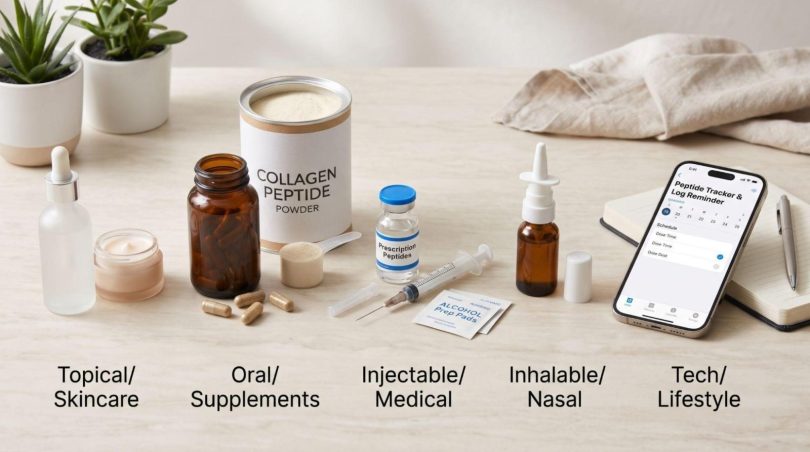

Peptides are having a major moment in the wellness world. From skincare serums promising smoother skin to medical treatments making headlines, these tiny chains of amino acids are getting plenty of attention. But if the word “peptide” immediately makes you picture a syringe, you’re not alone.
Here’s the good news: Not all peptides require needles. Depending on their purpose, peptides can come in several forms, including creams, capsules, and even nasal sprays. Peptide tracking can help you stay on top of your peptide routine; learn more here.
What Are Peptides?
Think of peptides as tiny messengers that help your body communicate. Made from short chains of amino acids, peptides play important roles in everything from hormone regulation to cellular function. Some peptides occur naturally in your body, while others are manufactured for medical or cosmetic purposes.
For example, certain peptides help regulate blood sugar, while others are incorporated into skincare products to improve the appearance of aging skin. However, not all peptides work the same way. Their effectiveness depends on their structure, formulation, and how they’re delivered into or onto the body.
Why Are Some Peptides Given as Injections?
There’s a reason injections are commonly associated with peptides. Many peptides are vulnerable to digestive enzymes, meaning swallowing them could cause them to break down before they reach their intended destination. Injections allow certain peptide medications to bypass digestion and enter the body more effectively.
For people using prescribed injectable peptides, maintaining an organized treatment schedule can also be important. Keeping track of peptide schedules, doses, and treatment notes can make managing a prescribed routine easier, especially with digital peptide tracking tools.
Can You Take Peptides Orally?
Yes, but there’s a catch. Because digestive enzymes break down many peptides, creating effective oral formulations can be challenging. Some prescription peptide medications use specialized formulations that help their active ingredients survive digestion and reach the bloodstream.
Meanwhile, collagen peptides are commonly sold as powders, capsules, and drink mixes. Just remember that taking collagen supplements isn’t the same as taking prescription peptide medications. Their purposes, absorption, and supporting evidence can differ considerably.
Do Peptide Creams and Serums Actually Work?
If you’ve browsed the skincare aisle lately, you’ve probably spotted peptides advertised as anti-aging superstars. Topical peptides are frequently included in moisturizers and serums designed to improve skin texture, hydration, and the appearance of fine lines.
Some formulations show promising results, although effectiveness varies depending on the ingredients and their ability to penetrate the skin. Unlike injectable medications, topical peptides generally target cosmetic concerns rather than delivering systemic medical effects.
What About Peptide Nasal Sprays?
Believe it or not, some peptides can also be delivered through the nose. While nasal sprays might sound like an unusual alternative to injections, they’re an interesting area of medical research.
The nasal lining contains blood vessels that can absorb certain substances, potentially allowing some peptides to enter the bloodstream without passing through the digestive system. However, there’s an important distinction between approved nasal medications and experimental peptide sprays sold online.
Not every peptide can be effectively absorbed through the nose, and many products marketed for cognitive enhancement, recovery, or general wellness lack sufficient clinical evidence. Before trying a peptide nasal spray, it’s important to understand its safety, effectiveness, and regulatory status.
Are Non-Injectable Peptides as Effective as Injectable Ones?
Injectable formulations may offer more predictable absorption for certain medications, while oral formulations must overcome challenges associated with digestion. Meanwhile, topical peptides generally work on or within the skin rather than producing effects throughout the body.
Effectiveness also depends on bioavailability, which describes how much of an administered substance reaches circulation. However, injections aren’t automatically superior. Some peptides are specifically formulated to work through alternative delivery methods.
Ultimately, comparing peptide delivery methods isn’t always an apples-to-apples situation. The specific ingredient, intended purpose, and available research matter more than convenience alone.
How Do You Know Which Peptide Delivery Method Is Right for You?
Choosing a peptide product shouldn’t feel like throwing darts at a wellness-themed dartboard. Start by considering your goals. If you’re interested in improving your skincare routine, topical peptide products may be worth exploring.
If you’re managing a medical condition, a healthcare professional can determine whether an approved peptide medication is appropriate and which delivery method makes sense. It’s also important to evaluate product quality and safety.
Be particularly cautious with experimental peptides marketed online, especially those labeled “research use only.” These products may lack adequate safety testing, reliable dosing information, or regulatory approval for human use.
Peptides Come in More Forms Than You Think
So, are all peptides injectable? Definitely not! From skincare serums and oral supplements to prescription medications and investigational nasal sprays, peptides come in several forms.
The important thing to remember is that delivery methods aren’t interchangeable. What works for one peptide might not work for another. Whether you’re exploring skincare ingredients or discussing medical treatments, understanding your options helps you make more informed decisions.