
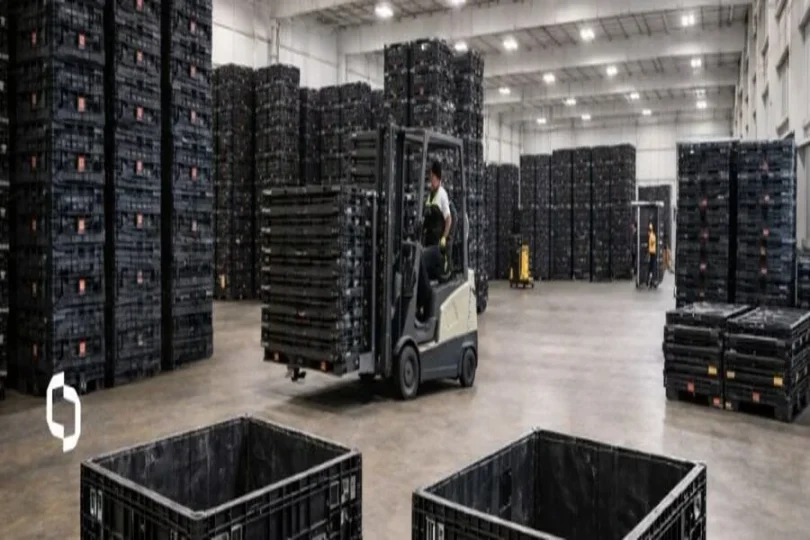

Industrial operations depend on consistent, reliable movement of materials throughout their facilities. When production schedules are tight and downtime costs mount quickly, the choice of bulk containers becomes more than a simple procurement decision. The wrong container material can lead to unexpected failures, contamination issues, or workflow disruptions that cascade through entire operations.
Manufacturing facilities, chemical processing plants, and distribution centers handle thousands of pounds of materials daily. These environments demand containers that perform predictably under stress, resist degradation from repeated use, and maintain structural integrity across varying temperature and chemical conditions. The container material directly impacts operational reliability, maintenance schedules, and long-term cost management.
Three primary materials dominate the bulk container market: steel, plastic, and composite constructions. Each material brings distinct characteristics that align with different operational requirements and risk profiles. Understanding these differences helps operations managers make informed decisions that support consistent production and minimize unexpected equipment-related disruptions.
Material Properties That Drive Industrial Performance
The fundamental characteristics of container materials determine how well they perform under real-world industrial conditions. Material handling bulk containers must withstand repeated loading cycles, resist chemical exposure, and maintain structural integrity across temperature variations. These performance requirements make material selection a critical factor in operational planning.
Steel containers offer exceptional strength-to-weight ratios and proven durability in harsh environments. The material’s crystalline structure provides consistent performance under mechanical stress, while its thermal properties allow for stable operation across wide temperature ranges. Steel’s resistance to impact damage makes it particularly suitable for operations where containers encounter rough handling or automated systems with limited precision controls.
Plastic containers, typically manufactured from high-density polyethylene or polypropylene, provide chemical resistance and corrosion immunity that steel cannot match. The molecular structure of these polymers creates barriers against many industrial chemicals, acids, and caustic solutions. This chemical compatibility eliminates concerns about container degradation when handling aggressive materials, reducing the risk of contamination or structural failure during critical operations.
Structural Integrity Under Operational Stress
Container failure during material handling operations creates immediate safety risks and production delays. Steel containers maintain their structural integrity through elastic deformation, returning to original shape after stress removal. This property prevents permanent deformation that could interfere with stacking, automated handling systems, or storage configurations. When containers must interface with precision machinery or robotic systems, dimensional consistency becomes essential for reliable operation.
Plastic containers respond differently to mechanical stress, exhibiting viscoelastic behavior that can lead to permanent deformation under sustained loads. However, their flexibility often prevents catastrophic failure modes that rigid materials experience. Instead of sudden cracking or breaking, plastic containers typically show gradual wear patterns that provide warning before complete failure. This predictable degradation pattern allows maintenance teams to identify and replace containers before they compromise operations.
Composite materials combine different material properties to optimize performance for specific applications. Fiber-reinforced composites can provide steel-like strength with plastic-like chemical resistance, though at higher initial costs. The layered construction allows engineers to tailor properties for specific operational requirements, creating containers optimized for particular chemical exposures, temperature ranges, or mechanical demands.
Chemical Compatibility and Contamination Prevention
Chemical interactions between container materials and stored substances can compromise product quality and create safety hazards. Steel containers may require protective coatings or linings when handling corrosive materials, adding complexity to maintenance procedures and potential failure points. Coating damage can expose underlying steel to chemical attack, leading to localized corrosion that weakens the entire container structure.
Plastic materials offer inherent resistance to many chemicals without additional protective measures. Their non-reactive surface properties prevent contamination in both directions – protecting stored materials from container degradation while preventing chemical damage to the container itself. This bidirectional protection is particularly valuable in pharmaceutical, food processing, and specialty chemical applications where contamination control is critical.
The Environmental Protection Agency regulates chemical compatibility requirements for many industrial applications, particularly those involving hazardous materials. Compliance with these regulations often influences material selection, as certain container types may not meet specific chemical resistance standards required for regulatory compliance.
Operational Cost Implications Across Container Lifecycles
The total cost of container ownership extends far beyond initial purchase price. Maintenance requirements, replacement frequency, and operational disruptions create ongoing expenses that can dwarf upfront costs over the container’s service life. Steel containers typically require higher initial investment but may provide longer service life in mechanically demanding applications.
Maintenance costs vary significantly between materials. Steel containers may require periodic coating renewal, rust treatment, or structural repairs, but these maintenance activities can often restore containers to near-original performance levels. The ability to repair steel containers through welding or mechanical modification provides flexibility in maintaining container fleets, particularly for specialized applications where replacement containers may have long lead times.
Plastic containers generally require less maintenance but offer limited repair options when damage occurs. Minor cracks or chemical degradation typically require complete container replacement rather than repair. This characteristic makes plastic containers more predictable from a maintenance standpoint but potentially more expensive when premature failure occurs due to unexpected chemical exposure or mechanical abuse.
Replacement Frequency and Planning Considerations
Container replacement schedules directly impact inventory management and operational planning. Steel containers in appropriate applications may provide service lives measured in decades, making them suitable for operations where long-term cost predictability is important. The extended service life reduces the frequency of procurement activities and minimizes disruptions from container availability issues.
Plastic containers typically require more frequent replacement but offer greater consistency in replacement timing. The predictable degradation patterns of plastic materials allow maintenance teams to establish reliable replacement schedules based on usage patterns and environmental conditions. This predictability supports more accurate budgeting and reduces the risk of unexpected container failures during critical operations.
Composite containers may offer intermediate replacement frequencies, with costs and longevity falling between steel and plastic options. However, the specialized nature of many composite constructions can create supply chain challenges, requiring longer lead times for replacement containers or limiting supplier options for procurement teams.
Environmental Conditions and Material Performance
Industrial environments subject containers to temperature extremes, humidity variations, and chemical exposures that test material limits. Steel containers perform consistently across wide temperature ranges, maintaining structural properties from sub-zero cold storage applications to elevated temperature processing environments. This thermal stability makes steel suitable for operations that experience significant temperature variations or require containers to move between different climate-controlled areas.
Temperature cycling can create specific challenges for different materials. Steel containers may experience thermal expansion and contraction that affects sealing systems or dimensional tolerances, particularly in precision applications. However, the material’s consistent thermal properties make these effects predictable and manageable through proper design considerations.
Plastic containers may experience more dramatic property changes with temperature variations. Cold temperatures can increase brittleness, making containers more susceptible to impact damage during winter operations or in refrigerated environments. Elevated temperatures can reduce strength and increase flexibility, potentially affecting stacking stability or dimensional accuracy in automated handling systems.
Humidity and Corrosion Resistance
Moisture exposure creates different challenges for each material type. Steel containers require active corrosion protection in humid environments, with coating systems, galvanization, or stainless steel construction providing varying levels of protection. The effectiveness of these protection methods depends on maintaining coating integrity and preventing damage that could expose underlying steel to moisture and oxygen.
Plastic containers offer inherent moisture resistance without additional protective measures. Their non-porous surfaces prevent water absorption that could lead to dimensional changes or structural degradation. This moisture immunity makes plastic containers particularly suitable for outdoor storage applications or operations in high-humidity environments where steel containers might require additional maintenance.
Composite materials may combine the best aspects of both approaches, offering corrosion resistance with mechanical strength. However, the interface between different materials in composite constructions can create potential failure points where moisture infiltration might compromise structural integrity over extended service periods.
Safety Considerations and Risk Management
Container failure modes directly impact workplace safety and risk management strategies. Steel containers typically fail through predictable mechanisms such as fatigue cracking or corrosion-induced weakness, providing warning signs that alert maintenance personnel to potential problems. The ductile nature of steel allows containers to deform before complete failure, often maintaining some structural integrity even when damaged.
Impact resistance varies significantly between materials and affects safety planning for material handling operations. Steel containers can withstand significant impact forces without compromising structural integrity, making them suitable for environments where containers may encounter rough handling or collision with equipment. This impact resistance reduces the risk of sudden failure that could create safety hazards or product contamination incidents.
Fire resistance presents another safety consideration for container selection. Steel containers maintain structural integrity at elevated temperatures and do not contribute fuel to fire situations. Plastic containers may soften, deform, or burn when exposed to high temperatures, potentially compromising containment of materials during fire emergencies. Operations handling flammable or reactive materials must consider these fire performance characteristics when selecting container materials.
Regulatory Compliance and Industry Standards
Many industries operate under strict regulatory requirements that influence container material selection. Food processing operations must consider FDA-approved materials and sanitation requirements that may favor certain container types. Pharmaceutical applications require materials that meet USP standards and provide appropriate barrier properties to protect product integrity.
Chemical handling regulations often specify container requirements based on the materials being stored and transported. Hazardous material regulations may require specific container certifications, impact resistance standards, or chemical compatibility testing that influences material selection. Understanding these regulatory requirements early in the selection process prevents costly mistakes and ensures operational compliance.
Industry standards organizations provide guidance for container selection in specific applications. These standards often address testing protocols, performance requirements, and safety factors that help operations managers make informed decisions based on proven industry practices rather than theoretical performance claims.
Application-Specific Performance Requirements
Different industrial applications create unique performance demands that favor specific container materials. Chemical processing operations handling corrosive materials typically benefit from plastic containers that provide inherent chemical resistance without the complexity of protective coatings. The ability to handle aggressive chemicals without degradation supports consistent operations and reduces contamination risks.
Heavy manufacturing applications that involve high mechanical loads or automated material handling systems often favor steel containers for their dimensional stability and impact resistance. These environments demand containers that maintain precise dimensions for compatibility with robotic systems while withstanding the mechanical stresses of automated handling equipment.
Food processing operations must balance sanitation requirements with mechanical performance needs. Stainless steel containers provide excellent cleanability and corrosion resistance, while some plastic materials offer easier cleaning and sanitization with adequate mechanical properties for typical food processing applications.
Specialized Industry Requirements
Pharmaceutical manufacturing creates demanding requirements for both chemical compatibility and contamination control. Container materials must not interact with sensitive chemical compounds while providing barrier properties that protect products from environmental contamination. These applications often require extensive material testing and validation to ensure compliance with regulatory standards.
Electronics manufacturing involves materials sensitive to static electricity and contamination from container degradation. Anti-static properties, low particle generation, and chemical inertness become critical selection factors. Specialized plastic formulations or conductive materials may be required to meet these demanding requirements.
Aerospace and defense applications may require containers that meet specific military standards or provide performance under extreme conditions. These specialized requirements often favor advanced composite materials or specialized metal alloys that provide superior performance at higher costs.
Conclusion
Selecting the appropriate material for bulk containers requires careful consideration of operational requirements, environmental conditions, and long-term cost implications. Steel containers excel in applications requiring maximum mechanical strength, dimensional stability, and long service life, particularly in heavy industrial environments where impact resistance and structural integrity are paramount. Their ability to be repaired and refurbished extends useful life but requires ongoing maintenance in corrosive environments.
Plastic containers provide superior chemical resistance and corrosion immunity, making them ideal for operations handling aggressive chemicals or requiring frequent cleaning and sanitization. Their lower maintenance requirements and predictable replacement cycles support consistent operational planning, though limited repair options may increase long-term costs in some applications.
Composite materials offer the potential to optimize performance for specific applications by combining the best characteristics of different materials. While typically more expensive initially, they may provide cost-effective solutions for specialized applications where neither steel nor plastic alone meets all requirements.
The decision ultimately depends on matching material properties to operational priorities. Operations prioritizing mechanical durability and long-term cost control may favor steel containers, while those requiring chemical compatibility and low maintenance may choose plastic alternatives. Understanding these trade-offs enables informed decisions that support reliable, cost-effective material handling operations.