
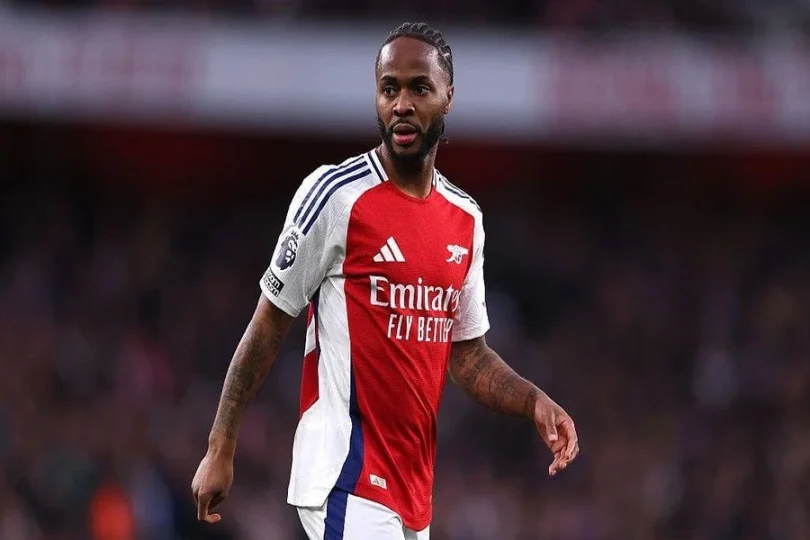

The Game Within the Game
Most sports coverage chases action. The pass. The shot. The hit. The buzzer. That makes sense. Action is easy to spot and easy to package. But action is not always what people remember.
Fans remember faces. Reactions. Silence. A deep breath before a free throw. A coach staring at the floor during a timeout. A player sitting alone on the bench after a mistake.
Those moments happen between the plays. That’s where the real story lives.
A Pew Research Center study found that 65% of sports fans prefer personal and behind-the-scenes stories over traditional game recaps. Another report showed that emotional sports features keep viewers engaged up to 40% longer than highlight-heavy segments.
The numbers are clear. People want meaning, not just motion.
What Happens When Nothing Is Happening
Timeouts Tell the Truth
Timeouts slow the game down. That’s why they matter. You see who talks. Who listens. Who looks lost. Who looks calm.
One producer recalls watching a coach during a critical timeout. No yelling. No clipboard. Just a quiet sentence to one player. That player made the next shot. The moment never showed up in the box score, but it changed the game.
Stories like this don’t require action. They require attention.
The Bench Is a Story Engine
The bench shows the cost of competition. Ice packs. Nervous pacing. Towel-covered faces.
During a Giants training camp, a veteran player returning from injury sat out a drill. Instead of filming the drill, a reporter asked what the first night of running again felt like. The player described sneaking onto a high school track at night, struggling through one painful lap, and sitting in the grass unsure if his career was over.
That answer shaped the entire piece. Fans connected because it was real.
Rick Saleeby has built much of his career around noticing these moments. “If you only follow the ball, you miss the story,” he once said. “The truth is usually standing still.”
Why Fans Care More Than Ever
Emotion Beats Information
Stats explain what happened. Emotion explains why it mattered.
A USC study found that emotion increases memory retention by more than 50%. That means fans are far more likely to remember how a moment felt than how it looked.
Think about it. Most fans forget the exact score of a classic game. They remember the hug after the win. The stare after the loss. The walk to the locker room.
Emotion builds loyalty. Loyalty keeps audiences coming back.
Sharing Follows Feeling
Meta data shows that sports clips with emotional reactions are shared three times more than clips focused only on gameplay.
People share what moves them. They don’t share spreadsheets.
If you want reach, you need feeling.
The Sound Between the Plays
Silence Is a Tool
Silence creates tension. It gives space for meaning.
After a tough loss, a pitcher once sat at his locker and said nothing for twenty seconds. The camera stayed on him. No rush. No filler. That pause told the story better than any quote.
Silence lets viewers fill in the emotion themselves.
Noise Has a Role Too
Sound can pull people into the moment. Crowd murmurs. A single clap. Cleats on concrete.
During a Yankees playoff run, one producer built a segment using only stadium sound. No narration. Just the environment. Fans said it felt like being there.
Sound is not background. It is storytelling.
Why Analytics Can’t Do This Job Alone
Numbers Miss Context
Analytics show patterns. They don’t show pressure. They don’t show doubt. They don’t show relief.
A player’s shooting percentage won’t explain why they hesitated. A win probability chart won’t explain why a team believed.
Context lives between plays.
Fans Know the Difference
Younger fans especially want authenticity. A YouGov study found that 78% of Gen Z sports fans prefer emotional storytelling over stat-driven breakdowns.
They want to know who athletes are when the clock stops.
How Storytellers Can Find Better Stories
Watch Everything
Don’t stare at the ball. Scan the floor. Watch the sideline. Look at the stands.
The best moments often happen where no one expects them.
Ask Specific Questions
Skip “How did that feel?” Ask “What did you notice when you sat back down?”
Specific questions unlock real answers.
Follow One Person
Too many subjects blur the story. Pick one player, one coach, or one fan. Stay with them. Let their experience guide the narrative.
Let Moments Breathe
Don’t rush edits. Don’t cut away too fast. Give moments time to land.
People need space to feel.
Accept Imperfection
A shaky clip of a raw moment beats a perfect shot of nothing.
Real wins. Every time.
Why This Approach Works in Business Terms
Stories that connect hold attention longer. Longer attention builds trust. Trust builds loyalty.
Loyal audiences return. They share. They talk.
That’s not sentiment. That’s strategy.
Sports media is crowded. The easiest way to stand out is not louder graphics or faster cuts. It’s better storytelling.
The Future Lives Between the Plays
Sports will always have highlights. They matter. But they are not the whole story.
The future belongs to those who can see what happens when the clock stops. The look. The pause. The breath.
Those moments explain why sports matter at all.
Rick Saleeby has shown that the best stories don’t need more action. They need more attention.
Between the plays is where effort shows. Fear shows. Hope shows.
That’s where the story is