
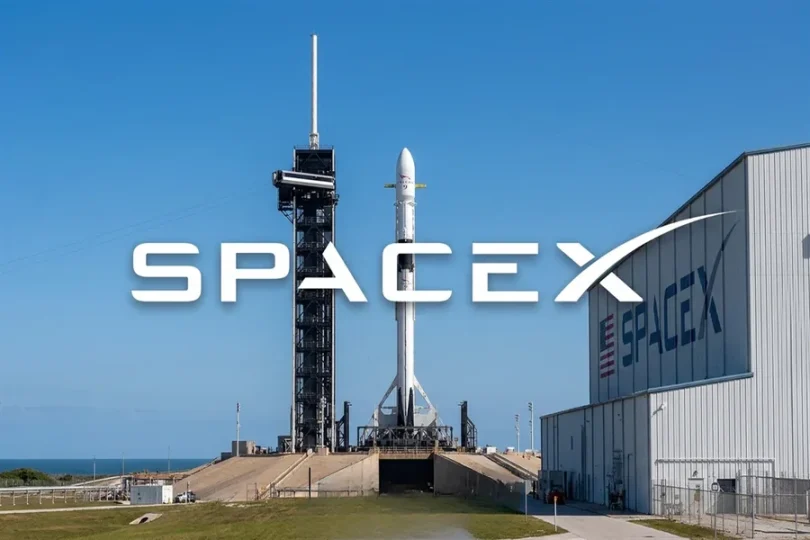

The conversation surrounding SpaceX’s potential public offering has evolved from casual speculation into a serious analytical subject for investors and market strategists. As one of the most influential private aerospace companies, SpaceX operates at a scale and ambition that challenge traditional public market expectations. The growing focus on the SpaceX IPO date reflects heightened scrutiny around its financial readiness, strategic timing, and broader market implications, even as the company continues to remain private.
Understanding the potential for a future IPO requires more than tracking headlines. It involves evaluating structural signals, leadership intent, and ecosystem maturity. Investors must shift from reactive curiosity to informed readiness, recognizing that the eventual public offering, whenever it occurs, will likely reflect a carefully calibrated alignment of internal performance and external market conditions.
Strategic Timing Signals That Shape IPO Readiness
A closer examination of SpaceX’s internal and external milestones reveals how strategic timing is carefully aligned with financial strength, operational maturity, and long-term vision rather than immediate market pressure.
- Internal Financial Stability as a Core Indicator: SpaceX’s revenue diversification, particularly through commercial launches and satellite services, provides a strong foundation for IPO consideration. Stable and scalable revenue streams signal that the company may be preparing for broader financial transparency.
- Capital Efficiency and Funding Independence: The company’s ability to raise private capital reduces dependency on public markets. This financial independence allows SpaceX to delay its IPO until conditions align with its long-term strategic objectives rather than short-term funding needs.
- Leadership Vision and Long-Term Objectives: Elon Musk’s emphasis on long-term innovation over immediate profitability directly impacts IPO timing. A public listing will likely occur only when leadership believes it will not compromise the company’s mission-driven approach.
- Operational Milestones and Technological Maturity: Key achievements, such as advancements in reusable rocket technology and satellite deployment, serve as signals of operational readiness. These milestones enhance investor confidence and influence IPO feasibility.
- Global Market Positioning and Competitive Strength: SpaceX’s dominance in the commercial space sector strengthens its valuation narrative. A strong competitive position ensures that an IPO would be met with substantial institutional interest.
Market Speculation Versus Data-Driven Reality
Separating speculation from substantiated insights is essential, as market narratives often overshadow the data-driven indicators that more accurately reflect SpaceX’s potential IPO trajectory.
- Media Narratives and Investor Expectations: Speculation often stems from media coverage rather than concrete developments. While such narratives generate interest, they rarely reflect the company’s actual strategic intentions.
- Role of Industry Comparisons: Comparisons with other aerospace and technology firms can create misleading benchmarks. SpaceX operates under a unique model, making direct comparisons insufficient for accurate IPO predictions.
- Economic Cycles and Market Sentiment: Broader economic conditions significantly influence IPO decisions. Favorable market sentiment, liquidity levels, and investor appetite for high-growth companies are critical factors in timing.
- Private Valuation Trends as Indicators: Rising private valuations suggest increasing investor confidence, but they do not necessarily indicate imminent public listing plans. These valuations often reflect long-term growth expectations rather than short-term IPO readiness.
- Distinction Between Possibility and Probability: While the SpaceX IPO date remains a topic of ongoing discussion, distinguishing between what is possible and what is probable is essential for informed decision-making.
Investor Readiness in a Pre-IPO Environment
Preparing for a potential SpaceX IPO requires investors to move beyond surface-level interest and develop a structured understanding of the company’s business model, risks, and long-term value drivers.
- Understanding the Business Model Complexity: SpaceX operates across multiple verticals, including launch services and satellite communications. Investors must understand these interconnected revenue streams to assess long-term viability.
- Evaluating Risk Beyond Traditional Metrics: The aerospace sector involves high capital expenditure and technological risk. Investors should consider factors such as project timelines, regulatory challenges, and innovation cycles.
- Monitoring Subsidiary Performance Signals: Developments within divisions like Starlink provide indirect insights into overall company performance. Strong subsidiary growth may act as a precursor to broader market entry.
- Preparing for Valuation Volatility: A potential IPO could attract significant demand, leading to volatility in initial pricing. Investors should be prepared for fluctuations and avoid short-term speculative decisions.
- Aligning Investment Strategy with Long-Term Vision: SpaceX’s mission-driven approach requires investors to adopt a long-term perspective. Short-term gains may not fully capture the company’s transformative potential.
Long-Term Implications of a Potential Public Listing
A future public listing of SpaceX is expected to extend beyond a single company event, influencing broader market dynamics, valuation frameworks, and the evolution of the commercial space industry.
- Expansion of the Commercial Space Economy: A SpaceX IPO could accelerate investment in the broader space sector, encouraging innovation and competition. This would reshape industry dynamics on a global scale.
- Increased Transparency and Market Accountability: Public listing would require detailed financial disclosures, offering investors greater visibility into operations and performance metrics.
- Impact on Valuation Benchmarks: SpaceX’s entry into public markets could redefine valuation standards within the aerospace and technology sectors, influencing how similar companies are assessed.
- Shift in Strategic Communication: As a public entity, SpaceX would need to balance visionary goals with clear financial communication, ensuring alignment between innovation and investor expectations.
- Broader Investor Participation Opportunities: The eventual confirmation of the ipo date would open access to a wider range of investors, democratizing participation in the space economy.
Conclusion
The question of when SpaceX will go public remains open, but the underlying signals provide valuable direction for those willing to analyze them carefully. The ongoing focus on the SpaceX IPO date highlights the importance of tracking structural, financial, and strategic indicators that shape IPO readiness. Rather than relying solely on speculation, investors benefit from understanding these core factors, as SpaceX’s approach reflects a deliberate balance between innovation and market alignment, suggesting that any future public offering will be executed with precision.
For investors seeking to stay ahead of such developments, leveraging analytical platforms and market insights becomes essential. Tools available through trusted platforms can support informed decision-making by offering real-time data and technical perspectives. Monitoring these signals consistently ensures preparedness, allowing investors to respond strategically when SpaceX ultimately takes its next step toward the public markets.