
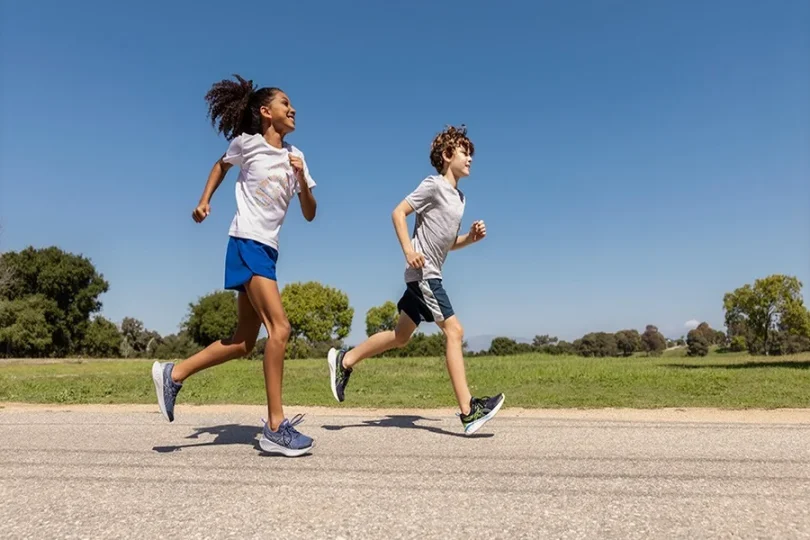

Track and field activities require specific footwear to ensure safety and performance for young athletes. The right pair of shoes provides necessary support during sprints, jumps, and long-distance runs. Proper selection prevents injuries and allows children to focus on their technique. Parents must evaluate several factors, like arch support, cushioning, and grip, before they make a purchase.
Supportive footwear remains a priority for active students who participate in school sports. While some students might favor style, functional features determine the success of a runner. For example, a pair of kids Air Max 95 shoes illustrates how visible air units provide heel protection during high-impact landings. These technical elements help maintain comfort throughout a long practice session on the track.
Assess Proper Foot Arch Type
Every child possesses a unique foot shape that dictates the necessary level of support. Low arches or flat feet benefit from motion control shoes that prevent excessive inward rotation. High arches require neutral cushioned shoes to help with shock absorption during each stride. A simple wet foot test reveals the arch foot type of a young runner quickly.
Correct arch support reduces the strain on the lower limbs and back during training. Shoes with the right internal structure distribute weight evenly across the entire foot. This balance prevents premature fatigue and keeps the athlete comfortable for longer durations. Expert measurements at a specialized store provide the most accurate assessment for a growing child.
Evaluate Cushioning And Impact Protection
Impact protection stays vital for youth athletes whose bones and joints still develop. Midsole materials like foam or pressurized air units offer essential dampening for the feet. This layer reduces the force that travels up the legs when the foot strikes the ground. Frequent runners need consistent protection to avoid common issues like shin splints or heel pain.
Heavier cushioning suits those who participate in multiple events throughout a single day. Lightweight foam works best for those who prioritize speed and agility in short races. For instance, kids Nike Dunk models show how a solid rubber outsole combined with a padded collar offers basic structural support for casual play. High-quality materials ensure that the protection lasts throughout the entire sports season.
Prioritize Lightweight Materials For Speed
Heavy shoes hinder a runner and cause unnecessary exhaustion during a race. Manufacturers use mesh and synthetic overlays to keep the total weight of the shoe low. These breathable fabrics also allow heat to escape to keep the feet cool and dry. A light shoe feels like a natural extension of the foot during a fast sprint.
Durability must accompany a lightweight design to withstand the rigors of track surfaces. Strong seams and reinforced toe boxes protect the shoes from rapid wear and tear. Athletes feel more confident when their gear does not hold them back. Speed improves when the feet move freely without the burden of extra bulk.
Inspect Outsole Grip And Traction
Traction remains a critical component for safety on synthetic tracks or grass fields. Rubber outsoles with specific tread patterns provide the necessary grip for various weather conditions. Sharp turns and sudden stops require a reliable connection between the shoe and the ground. Slip-resistant features prevent accidents during relay handoffs or hurdle clearances.
Different surfaces demand different types of outsoles for the best performance results. Spikes offer the most grip for competitive races on professional tracks. Flat rubber soles work better for training sessions on pavement or indoor gym floors. Versatile everyday kids sneakers show how multi-directional patterns help children stay stable during diverse physical activities.
Ensure Correct Size And Fit
Growth spurts happen frequently and affect how a track shoe fits over time. Parents should check the fit every few months to ensure the toes have enough wiggle room. A gap of about half an inch between the longest toe and the front of the shoe is ideal. Tight shoes cause blisters, while loose shoes lead to instability and trips.
The heel must stay locked in place without any slippage during a full range of motion. Lacing systems allow for a customized fit that accommodates different foot widths. Comfortable socks also play a role in how the shoe feels during a rigorous workout. A proper fit ensures that the foot remains secure within the shoe structure.
Consider Breathability For Temperature Control
Intense physical activity generates heat that can lead to discomfort and skin irritation. Mesh panels promote airflow to regulate the temperature inside the footwear. Dry feet are less prone to fungal infections and painful friction burns. Advanced moisture-wicking liners help pull sweat away from the skin surface effectively.
Breathable shoes also dry faster after a practice session in damp or humid conditions. This feature extends the lifespan of the materials by preventing odors and mold growth. Many kids casual sneakers use perforated leather or canvas to achieve a similar cooling effect for daily wear. Clean and dry shoes remain a staple for any dedicated young athlete.
Examine Flexibility For Natural Movement
Flexibility at the forefoot allows for a natural toe-off during the running cycle. A shoe that bends too easily in the middle lacks the necessary support for the arch. The footwear should mimic the natural motion of the foot while providing a protective barrier. Proper flex points help the athlete maintain a smooth and efficient gait.
Stiff shoes might feel more stable, but they can restrict the natural development of foot muscles. Youth runners need a balance between rigid support and guided flexibility. Testing the shoe by bending it manually reveals where the primary flex point exists. A well-designed track shoe supports the foot without forcing it into an unnatural position.
Choosing the right footwear involves a careful analysis of the specific needs of a young runner. Support, cushioning, and fit remain the most important factors for long-term success in track and field. Versatile options like kids Air Max 95 shoes serve as a reminder that technical designs provide the necessary comfort for active lifestyles. Proper gear empowers children to perform their best and enjoy the spirit of competition safely.