
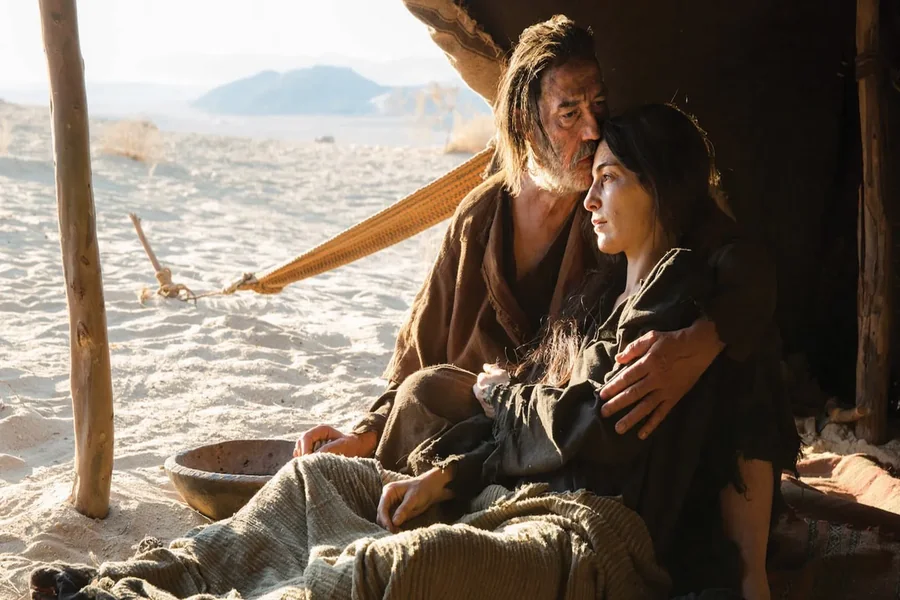

The desert is where there are vast empty landscapes and eternal loneliness. It has been an icon of self-reflection, conflict and change over centuries. “Last Days in the Desert” captures the essence of this symbolic space, leaving everyone who experiences it questioning everything. This paper will discuss the themes of this captivating story and explore its effects on the people that come across it.
What is “Last Days in the Desert”?
“Last Days in the Desert” is more than just a film. It is a journey into the soul of man and his ability to endure hardship. The story is set against the expansive desert scenery and it traces a man on a spiritual quest, who is facing his fears, doubts and inner struggles. The desert, which is frequently regarded as a wasteland, becomes a kind of metaphor of the conflict inside. The movie makes us address our own struggles and the sense of life as the main character is in his final days in this cruel world.
The Environment: A Character of Its own.
The desert in “Last Days in the Desert” is not just a backdrop but an active participant in the narrative. The expansive sand deserts, the heat, the wind are part of what happens to the character. It is a reflection of the inner conflict of the protagonist. The desert itself is silent, which makes it sound a lot and makes one feel isolated and self-reflexive. It is here in isolation that the character can strip away the layers of his past and confront the crudities of his emotions.
Desert is a place that is a challenge and at the same time a revelation of the real person. The harsh realities rob the person of the distractions of daily existence and all that remains is the person and his inner conflict. Such a setting provides the character with an opportunity to struggle against his/her own identity, purpose, and the final meaning of life.
Themes of Faith and Doubt
At its core, “Last Days in the Desert” is a story about faith and doubt. The main character struggles with the questions concerning the essence of the existence, the purpose of suffering, and the chance of redemption. He is faced with the experience of spirituality as he wanders through the dry land, which questions his faith.
In this regard, faith is not a simple solution. It is a struggle. The metaphor of the character walking in the desert is the way of doubting his faith. The land is barren just like the character and the only way that he can find clarity is by facing this emptiness. The novel poses some deep questions: Do we discover faith within our soul or is it forced into us? Are we ever able to know the secrets of life?
The Transformational Power of Solitude
Solitude plays a critical role in “Last Days in the Desert.” The protagonist is left alone with his thoughts, his fears, and doubts in the vastness of the desert. This isolation makes him turn to himself and face him in a manner that would not have been through the presence of others. It is at such times of loneliness that the character goes through a radical change.
The desert turns into the land of self-development. The quietness and loneliness enable the character to take time to look back on his life, his decisions and his future. Growth does not come easily and requires the process. The narrative demonstrates that in some cases, we have to deal with the worst aspects of our psyche before we can achieve peace.
Confronting the Past
As the character spends his last days in the desert, he is forced to confront his past. The desert seclusion causes memories and regrets that he has been evading to come to the fore. The desert turns out to be the place where the character is not able to get out of his own past. Each action he does in the sand is a step nearer to getting to the truth of himself.
This motif of dealing with the past is universal. Everybody has instances in their lives that they would not wish to remember. But, as the movie indicates, we can only heal when we confront such situations directly. The vastness of the desert is a reference to how we tend to separate ourselves and our past but as we traverse the desert we are reminded that we will have to eventually face our past.
Why Does It leave us wondering at everything?
“Last Days in the Desert” is designed to provoke thought and leave viewers questioning everything. Its simple aesthetic, combined with such strong themes, makes us look back at our lives. The questions that are asked in the film are not easy to answer. Rather, they ask us to go and discover our beliefs, doubts, and fears.
The movie is a challenge to us to rethink the essence of life, the role of religion and the reason why we are struggling. It reminds us that the answers to the deepest questions are sometimes inside. The desert with all its barrenness turns into a symbol of the path that we all have to go through in order to know ourselves and the surrounding world.
Conclusion
“Last Days in the Desert” is more than a story about survival. It is a novel of self-exploration, religion, and self-change. The desert is a reflection of the soul, both desolate and beautiful as well. With the main character going through his final days in this severe world, we are made to understand the value of loneliness and self-reflection in our lives.
At the conclusion of the film, the audience is not provided with answers, but rather a better insight into the questions that make us what we are. The barrenness of the desert makes us understand that there are times when the journey we make within ourselves is the most crucial.