
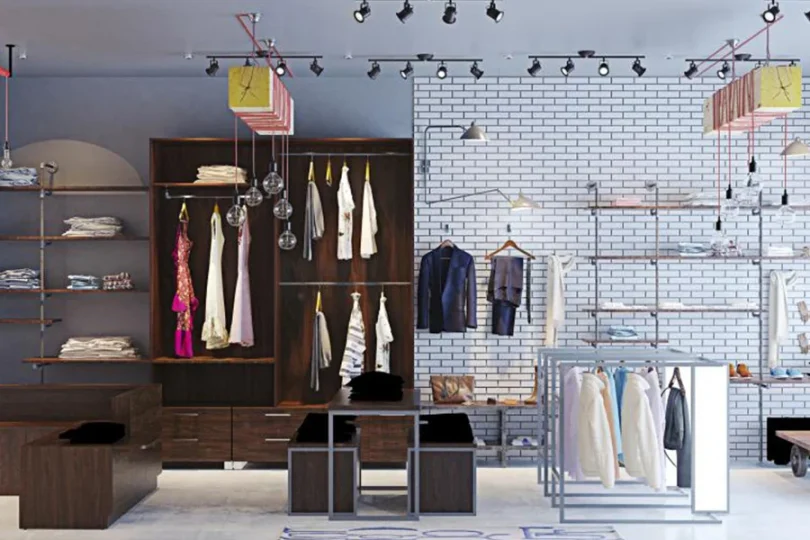

The pandemic fundamentally changed how consumers interact with physical retail spaces. Shopping behaviors shifted toward contactless experiences, social distancing requirements forced layout modifications, and economic uncertainty made every square foot of retail space critically important for revenue generation. Many retailers discovered that their pre-2020 store designs no longer supported customer flow patterns or operational efficiency.
Between 2021 and 2024, retailers who adapted their physical spaces to post-pandemic consumer expectations consistently outperformed those who maintained traditional layouts. These adaptations went beyond simple safety measures to address deeper changes in how people move through stores, make purchasing decisions, and interact with products. The most successful interventions focused on removing friction from the shopping experience while maximizing revenue per square foot.
The following ten design solutions represent strategies that have delivered measurable revenue increases for retailers across different categories. Each approach addresses specific operational challenges that emerged during the recovery period, from labor shortages to changing customer expectations around convenience and safety.
Strategic Product Placement Based on Traffic Flow Analysis
Understanding actual customer movement patterns became essential when foot traffic dropped significantly in many retail categories. Modern retail space design solutions rely on data-driven placement strategies that position high-margin products in zones where customers naturally spend the most time. This approach differs from traditional merchandising theories that assumed consistent traffic throughout the store.
Heat mapping technology and customer journey tracking revealed that post-pandemic shoppers follow more direct paths to specific products rather than browsing extensively. Retailers who repositioned their highest-profit items along these concentrated traffic flows saw immediate improvements in sales velocity. The key insight was matching product placement to actual behavior rather than desired behavior.
Priority Zone Development
Creating priority zones means identifying the specific areas where customers pause, compare products, or make decisions. These zones receive enhanced lighting, improved product presentation, and reduced visual clutter. The strategy works because it concentrates investment in spaces that directly influence purchasing decisions rather than spreading resources across the entire floor.
Successful priority zone implementations typically show increased dwell time in target areas and higher conversion rates for featured products. The approach requires ongoing adjustment as customer patterns evolve, but the revenue impact justifies the continued optimization effort.
Cross-Category Adjacency Planning
Placing complementary products from different categories near each other increases average transaction values when done strategically. This goes beyond obvious pairings to include products that solve related problems or serve similar customer needs. The effectiveness depends on understanding the underlying reasons customers make purchases rather than simply grouping similar items.
Retailers report that thoughtful cross-category placement can increase basket size by encouraging customers to address multiple needs during a single visit. The strategy works particularly well when it reduces the effort required for customers to find everything they need.
Flexible Layout Systems for Seasonal and Inventory Changes
Supply chain disruptions made inventory predictability challenging for most retailers. Fixed store layouts that worked well with consistent product availability became problematic when key items were unavailable or when inventory levels fluctuated significantly. Flexible design systems allow retailers to maintain visual appeal and traffic flow regardless of what products are actually available.
Modular fixtures and adaptable display systems enable quick reconfiguration without major renovation costs. This capability became particularly valuable during periods when certain product categories experienced shortages while others had excess inventory. The ability to shift floor space allocation quickly helped maintain revenue stability during volatile supply conditions.
Modular Fixture Integration
Modular systems use standardized components that can be reconfigured to accommodate different product types and quantities. The investment in flexible fixtures pays for itself through reduced labor costs for store resets and the ability to optimize space allocation based on current inventory and demand patterns.
These systems work best when they maintain visual consistency regardless of configuration. Customers should experience a coherent store environment even when the specific layout changes to accommodate operational needs.
Rapid Response Merchandising Capabilities
Building the infrastructure to change product presentation quickly allows retailers to respond to market opportunities and inventory constraints. This includes having adequate storage for display materials, standardized signage systems, and staff training for efficient resets.
The operational benefit extends beyond just handling supply chain issues to include seasonal transitions, promotional events, and new product launches. Retailers with rapid response capabilities can take advantage of trending products and clear slow-moving inventory more effectively.
Technology Integration for Contactless Shopping Experiences
Consumer comfort with contactless interactions increased dramatically during the pandemic and remained elevated even as restrictions lifted. According to the U.S. Census Bureau, e-commerce adoption accelerated during this period, but physical stores that incorporated contactless elements maintained stronger customer loyalty.
Successful technology integration focuses on reducing friction rather than adding features. The most effective implementations allow customers to complete more of their shopping process independently while maintaining the option for human assistance when needed.
Self-Service Information Systems
Digital displays and interactive kiosks that provide product information, availability, and pricing reduce the need for customer-staff interactions while improving the shopping experience. These systems work best when they provide information that customers actually need rather than marketing messages.
Implementation success depends on placing these systems where customers naturally look for information and ensuring the content stays current. Outdated or inaccurate information undermines trust and creates operational problems.
Mobile-Integrated Store Navigation
Apps and mobile tools that help customers locate products and check availability reduce time spent searching and improve satisfaction with the shopping experience. The key is providing practical functionality without requiring complex interactions or extensive app downloads.
These tools prove most valuable in larger stores or locations with complex layouts. The investment makes sense when it measurably reduces customer frustration and improves staff efficiency by reducing basic information requests.
Enhanced Entrance and Exit Flow Management
The transition zones where customers enter and exit stores became critical for revenue generation when overall visit frequency decreased. These areas set expectations for the entire shopping experience and influence customer willingness to spend time exploring products. Poorly designed entrance areas can cause customers to leave quickly, while effective entrance design draws people into the store and toward key product categories.
Exit areas also became more important as opportunities to encourage additional purchases and ensure positive final impressions. The goal is creating smooth traffic flow that feels natural rather than forced while maximizing exposure to profitable products.
Entrance Zone Optimization
The first few feet inside a store determine whether customers continue shopping or complete quick purchases and leave. Effective entrance design creates clear sightlines to key product areas while avoiding overwhelming displays that cause decision paralysis.
Successful entrance zones balance welcoming customers with guiding them toward profitable product categories. This requires understanding what customers expect to see immediately upon entry and what will encourage them to explore further into the store.
Strategic Exit Placement
Positioning checkout areas and exit paths to encourage last-minute purchases without creating bottlenecks requires careful planning. The most effective approaches present additional product options without slowing down customers who are ready to leave.
Exit strategies work when they offer genuine value rather than creating obstacles. Customers should feel that additional products near checkout solve real needs rather than being purely impulse-driven selections.
Optimized Lighting and Visual Merchandising Systems
Lighting quality became more noticeable when stores reduced overall density and customers had more space to observe their surroundings. Poor lighting that was previously masked by crowded displays became obvious problems that affected product perception and customer comfort. Effective lighting systems highlight products appropriately while creating an environment that encourages longer visits.
Visual merchandising systems needed updates to work effectively with changed traffic patterns and social distancing requirements. Traditional approaches that relied on crowded displays or close product examination required modification to maintain their effectiveness.
Task-Specific Lighting Design
Different areas of retail spaces require lighting that supports specific customer activities, from general navigation to detailed product examination. Generic overhead lighting rarely provides optimal conditions for all these different needs.
Targeted lighting improvements show measurable impacts on customer behavior and product sales. Areas with appropriate lighting for their intended use experience higher customer engagement and better sales performance.
Product Presentation Enhancement
Visual merchandising techniques that work well in crowded stores often fail when customer density decreases and individual displays receive more attention. Products need to look appealing when viewed from multiple angles and distances.
Enhanced presentation standards require investment in display materials and staff training, but the revenue impact comes from increased customer confidence in product quality and reduced time needed to make purchasing decisions.
Efficient Staff Work Zones and Customer Service Areas
Labor shortages forced many retailers to operate with reduced staff levels, making efficient workspace design critical for maintaining service quality. Staff areas needed reconfiguration to enable fewer employees to handle the same operational responsibilities while remaining accessible to customers who needed assistance.
Customer service areas required redesign to handle increased requests for product information, order assistance, and returns processing. The challenge was creating spaces that supported complex interactions while maintaining efficient traffic flow for other customers.
Multi-Function Staff Stations
Workstations that enable staff to handle multiple types of customer requests without moving between different areas improve both efficiency and customer satisfaction. These stations require access to inventory systems, payment processing, and communication tools.
Effective multi-function design reduces the time customers spend waiting for assistance and allows staff to maintain awareness of store conditions while handling specific requests.
Accessible Service Integration
Customer service functions integrated into the main store environment work better than isolated service desks for many types of requests. This approach makes help more accessible while reducing the perceived barriers to asking questions.
Integration strategies succeed when they maintain staff productivity while making assistance feel readily available to customers who need it.
Storage and Inventory Display Optimization
Inventory management became more complex when supply chains became unreliable and customer expectations for product availability increased. Display systems needed to accommodate varying inventory levels while maintaining attractive product presentation. The goal was creating flexibility that supported both operational needs and customer experience.
Storage areas required better integration with sales floors to enable quick restocking and reduce out-of-stock situations. This meant rethinking the traditional separation between customer and operational areas.
Integrated Storage Solutions
Storage systems that allow easy access for restocking while maintaining attractive customer presentation reduce labor costs and improve product availability. These solutions work best when they accommodate different product types without requiring specialized handling.
Successful integration maintains clear separation between customer and operational functions while enabling efficient product flow from storage to display areas.
Inventory Visibility Systems
Displays that clearly communicate product availability help customers make decisions while reducing staff time spent answering basic availability questions. This includes both digital systems and visual cues that indicate stock levels.
Visibility systems prove most valuable for products with variable availability or items that customers specifically seek rather than discover through browsing.
Specialized Product Discovery and Testing Areas
Customers became more selective about purchases during economic uncertainty, increasing the importance of product demonstration and testing opportunities. Areas dedicated to product discovery needed design that encouraged interaction while maintaining hygiene standards and operational efficiency.
These spaces work when they provide genuine value in the decision-making process rather than simply occupying floor space. The investment makes sense for products where hands-on experience significantly influences purchasing decisions.
Interactive Product Zones
Designated areas for product testing and demonstration require infrastructure that supports various product types while maintaining cleanliness and organization. The design should encourage customer engagement without creating maintenance burdens for staff.
Effective interactive zones increase customer confidence in purchases and reduce return rates by allowing better pre-purchase evaluation.
Educational Display Integration
Product information displays that explain features, benefits, and usage applications help customers make informed decisions without requiring staff assistance for basic questions. The content should address common customer concerns and comparison points.
Educational elements work when they provide practical information that customers actually use in their decision-making process.
Climate Control and Comfort Optimization
Customer sensitivity to environmental conditions increased when stores felt less crowded and individual comfort became more noticeable. Climate control systems needed optimization for changed occupancy patterns while maintaining energy efficiency. The goal was creating conditions that encouraged customers to spend adequate time making purchasing decisions.
Air quality and circulation became more important considerations, requiring system upgrades that balanced health concerns with operational costs.
Zone-Based Climate Management
Different areas of retail spaces have different climate requirements based on customer activity levels and product storage needs. Zone-based systems provide appropriate conditions without over-conditioning unused spaces.
Targeted climate control reduces energy costs while maintaining customer comfort in areas where people spend the most time.
Air Quality Enhancement
Improved air circulation and filtration systems address health concerns while creating more comfortable shopping environments. These improvements often pay for themselves through increased customer dwell time and reduced staff sick leave.
Air quality investments work best when they provide noticeable improvements without creating noise or maintenance issues that detract from the shopping experience.
Checkout Process and Payment Area Redesign
Checkout processes became critical points for customer satisfaction when payment preferences shifted toward contactless methods and customers became less tolerant of waiting in lines. Payment areas needed redesign to accommodate multiple payment types efficiently while maintaining security and staff oversight.
The challenge was creating systems that reduced transaction time while handling increased complexity from various payment methods and fulfillment options.
Flexible Payment Processing
Payment systems that accommodate various customer preferences without slowing down transactions improve customer satisfaction and checkout efficiency. This includes traditional methods alongside mobile payments and buy-online-pickup-in-store options.
Flexible systems reduce customer frustration and allow staff to process transactions more efficiently regardless of the specific payment method chosen.
Queue Management Solutions
Line management systems that reduce perceived wait times and improve actual efficiency became essential when customers became less tolerant of delays. Effective solutions provide clear expectations and alternative options for customers with different needs.
Queue optimization improves the final impression customers have of their shopping experience while reducing staff stress during busy periods.
Conclusion
The retail space design solutions that generated significant revenue increases share common characteristics: they address real operational challenges while improving customer experience, they provide flexibility for changing conditions, and they focus on removing friction from the shopping process. Successful implementations required understanding how customer behavior actually changed rather than assuming traditional patterns would return.
The most effective solutions balanced immediate needs with long-term adaptability. Retailers who invested in flexible systems and data-driven design approaches positioned themselves to handle future changes while capturing immediate revenue opportunities. The key was treating space design as an operational tool rather than simply an aesthetic consideration.
Moving forward, retail spaces will continue evolving as customer expectations and operational requirements change. The solutions that delivered results during the post-pandemic recovery period provide a foundation for ongoing optimization, but success requires continued attention to actual customer behavior and measurable business outcomes.