
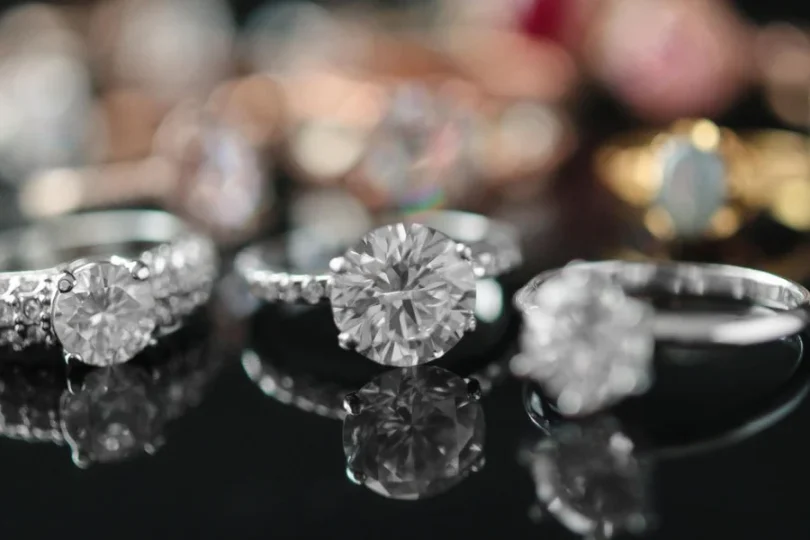

Selling a diamond often feels more complicated than people expect, especially when emotions and money are closely tied together. Many sellers enter the process with assumptions shaped by retail experiences, not realizing how different the resale market actually is.
Arizona’s active diamond market offers real opportunities, but only for those who understand how it works. Without that understanding, it’s easy to make decisions that quietly reduce value. What if a few small missteps were the only things standing between you and a better outcome?
Why Diamond Resale Value Rarely Matches the Original Purchase Price
Many sellers are surprised to learn that diamonds don’t resell the way homes or rare collectibles do. Retail prices include markups for branding, marketing, and showroom costs, none of which carry over into the resale market. When you sell, the price reflects the diamond’s current market value, not what it once cost. This gap can feel frustrating if expectations aren’t set early.
The 4Cs still matter, but they matter differently when selling. Cut quality and overall desirability often outweigh minor differences in color or clarity, especially in today’s market. Demand shifts over time, and styles that were popular years ago may no longer command premium prices. That’s why understanding resale dynamics upfront can prevent disappointment later.
Why Your Old Appraisal May Be Misleading
Many sellers rely on insurance appraisals as a pricing guide, but those documents serve a different purpose. Insurance values are typically inflated to cover replacement costs, not what a buyer would pay in cash. Using that number as a baseline can lead to unrealistic expectations from the start. This misunderstanding alone causes many sellers to reject fair offers.
Diamond pricing also changes with market conditions, sometimes more than people expect. Wholesale prices, consumer demand, and even global supply trends can influence value. A diamond appraised years ago may look very different on today’s market. That’s why a current evaluation based on resale conditions is far more useful than paperwork from the past.
Why Selling to the First Buyer You Meet Can Be Costly
It’s tempting to accept the first offer, especially if it sounds reasonable or comes quickly. However, diamond pricing isn’t standardized, and offers can vary widely depending on how a buyer evaluates risk and resale potential. Without comparison, it’s hard to know whether an offer reflects true market value. Would you sell a car without checking more than one dealer?
Comparing buyers isn’t just about chasing the highest number. It’s about understanding how each offer is calculated and what assumptions are being made. Some buyers price conservatively to protect themselves, while others are more confident in certain types of stones. Seeing multiple perspectives helps you recognize a fair range and make an informed decision.
Why Not All Buyers Are Truly Diamond Experts
Not every jewelry buyer specializes in diamonds, even if they handle them regularly. Some focus primarily on precious metals and treat diamonds as secondary items. This can lead to overly cautious pricing, especially for stones with unique characteristics. Lack of specialization often shows up as vague explanations or rigid pricing models.
Diamond expertise matters because small details can significantly affect value. Cut precision, light performance, and subtle grading factors require trained evaluation. If a buyer can’t clearly explain how these elements influence the offer, that’s a signal to pause. A knowledgeable evaluation should feel transparent, not rushed or dismissive.
What Makes Arizona a Unique Place to Sell a Diamond
Arizona has developed into a strong regional market for jewelry and estate pieces. A steady flow of buyers, collectors, and secondhand demand creates more opportunity for competitive offers. This local activity benefits sellers who understand how to navigate it. Selling in a market with active demand often produces better outcomes than shipping a stone elsewhere.
In-person evaluations with reputable diamond buyers in Phoenix and Scottsdale are a major advantage here. They allow buyers to assess the diamond directly and explain their reasoning in real time. Sellers also gain clarity by seeing how the stone is handled and discussed. That face-to-face interaction often builds trust and leads to more confident decisions on both sides.
How Time Pressure and Emotions Can Lower Your Offer
Diamonds are often sold during emotionally charged moments such as divorces, inheritances, or financial stress. In those situations, speed can feel more important than value. Buyers can sense urgency, and that often weakens a seller’s negotiating position. Even a short pause can change the tone of the transaction.
Emotions also influence expectations in subtle ways. Sentimental attachment may inflate perceived value, while stress may push sellers to accept less than they should. Asking yourself whether timing is driving the decision can be revealing. A calm, deliberate approach usually leads to better financial results.
Why Preparation Matters More Than Most Sellers Realize
Presentation plays a bigger role than many people expect. A clean diamond allows its brilliance and cut quality to show clearly during evaluation. Documentation, such as grading reports, helps buyers move faster and with more confidence. These small steps signal that the seller is informed and serious.
Preparation also helps you ask better questions. When you understand your diamond’s basics, conversations become more productive. You’re less likely to feel pressured or confused during evaluation. That confidence often translates into stronger offers and smoother negotiations.
Why Online Price Estimates Often Set the Wrong Expectations
Online estimators can be useful for general education, but they’re not firm offers. These tools rely on broad assumptions and limited inputs, which is why they often show wide ranges. Many sellers focus on the highest number and ignore the conditions attached to it. That can lead to frustration when real offers come in lower.
Actual pricing depends on details that algorithms can’t fully assess. Light performance, subtle inclusions, and marketability all matter. An in-person evaluation puts those factors into context. Understanding this difference early helps prevent the shock of unmet expectations later.
Why Safety and Transparency Should Never Be an Afterthought
Diamonds are high-value, easy-to-transport items, which makes security essential. Sellers should always understand where their diamond is, who is handling it, and how it’s being evaluated. Lack of clarity around these steps is a red flag. Trust grows when the process is clearly explained from start to finish.
Transparency also affects pricing confidence. Knowing how long evaluations take, what happens during assessment, and how offers are formed reduces anxiety. A fair transaction isn’t just about the final number. Feeling informed and respected throughout the process matters just as much.
Conclusion
Selling a diamond successfully is less about timing or luck and more about preparation, clarity, and informed choices. When sellers understand how value is determined, who they’re selling to, and why offers differ, they gain control over the process.
Arizona provides a strong environment for selling, but results depend on how thoughtfully the sale is approached. Avoiding common mistakes protects both financial value and peace of mind. Isn’t it worth slowing down to make sure a meaningful asset is handled the right way?