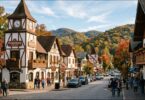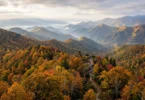


Traveling is full of surprises—and the time of year you visit a place can completely change its character. A street in Paris feels different in spring than it does in the depths of winter. A beach in Thailand offers a wholly different energy during monsoon season than in peak dry months.
So how do you actually tap into that mood and document it meaningfully? Whether you’re capturing trip memories through photos, writing, or simply living it to the fullest, understanding the seasonal pulse of a destination can change how you experience it.Let’s explore how to make each journey feel true to its time and place.
Why Seasonal Mood Matters in Travel
Every destination has a rhythm. Visit Tokyo in the cherry blossom bloom and you’ll sense celebration. Come during the humid summer and the fast-moving energy might feel more amplified. Seasonality affects:
- Weather and light (great for photography, but also mood)
- Local customs and festivals
- What people wear, eat, and do
The idea is that you’re not just visiting a place—you’re visiting a moment in time. When you tune into the season, your travel becomes more layered and memorable.
Understanding the Character of Each Season
Seasons don’t just shift the thermometer—they tell a story. Learning how to read that story is key to capturing each place authentically.
Capturing Spring: Renewal and Local Rebirth
Spring is often associated with awakening. It’s when cities unpack their outdoor furniture, gardens bloom, and people breathe a little more deeply again.
Look for:
- Flowering trees, green buds, and fresh produce
- Locals shedding layers, lingering outside cafés
- Seasonal festivals linked to agriculture or nature
The overall feeling is optimism with a touch of slowness. To reflect this, focus on light, soft colors, or community moments like weekend markets.
Summer’s High Energy
Summer is bold. It brings light well into the evening, more foot traffic, and higher temperatures—which often means a busier, more energized environment.
You’ll see:
- Coastal destinations at their liveliest
- City parks full of sunbathers and open-air music events
- Locals and tourists mingling more freely
Capturing summer well means embracing the brightness and movement. If you’re taking photos, avoid the harshest midday light, but lean into long golden-hour evenings.
Autumn: Quiet Drama and Rhythm Changes
Autumn tends to slow things down. Trees change color, there’s a drop in temperature, and the bustle of summer eases into reflective habits. The mood gets more introspective—perfect for capturing a peaceful city vibe or countryside calm.
Notice:
- Shorter days and deeper shadows
- Harvest-focused events and local food
- A blend of warm color palettes and cool air
This is an excellent season for journaling or visual storytelling. Let moody scenes and changing textures lead your creative observations.
Winter: Stark Beauty and Slow Travel
Winter exaggerates a place. It strips things down—sometimes literally—and reveals shapes and sights you missed before. Cities get quieter, smaller towns feel cozier, and travel becomes more internal.
Expect:
- Early nightfall, fog, snow, and candle-lit spaces
- Cultural traditions around holiday or end-of-year rituals
- A focus on indoors—cafés, libraries, museums
The pace is slower, and detail stands out more. Don’t rush it. Use the low energy to your advantage: reflect more, capture tighter frames in photos, tune in to the comfort side of your destination.
How to Stay Attuned to Seasonal Mood While Traveling
The best way to immerse yourself in a destination’s season is to stop assuming one experience fits all. Traveling in winter, don’t expect the bustle. Visiting during monsoon? Embrace the offbeat mood.
Here’s how to stay aligned with place and time:
Observe First, Record Second
Rather than aiming to document instantly, pause to take in your environment. What’s unusual?
What do locals seem to be doing differently compared to what you’d expect in another season?
Details to look for:
- What’s on menus and in shop windows
- Sounds and smells (bonfires? blossoms?)
- Color tones in people’s wardrobes or décor
Match Your Style of Capturing to the Season
If you’re writing, maybe spring warrants light, narrative sketches. Winter might make sense for more thoughtful, introspective notes. For visuals, think not just of what’s in the frame but how light and shadow speak to the time of year.
Talk to Locals About Seasonal Life
It’s easy to focus on sightseeing, but if you take a few minutes to ask a barista, vendor, or tour guide how this season shapes their weeks, you’ll get perspective no guidebook offers. Locals live the seasons deeply—they’ll tell you why summer is unbearable or why autumn is their city’s best-kept secret.
Avoiding Tourist Traps: When Expectations Clash with Seasonality
A common mistake is traveling with an expectation that doesn’t match reality. People visit beaches during shoulder seasons and are surprised by rain, or head to alpine towns expecting snow in November… and find only bare slopes.
What helps:
- Research recent seasonal patterns (they’ve shifted over the past decade)
- Have flexible expectations—sometimes rain makes a city come alive in unexpected ways
- Adjust your itinerary to match seasonal flow, not just ratings on travel sites
You’ll enjoy more if you sync up with what a place actually feels like when you arrive, rather than what it’s supposed to be.
Inspiration from Travel Magazines and Stories
Want a shortcut to thinking seasonally? Look at beautifully curated sources. A great travel magazine can offer stories, images, and interviews that put the local mood front and center.
Look for publications that explore the emotional tone of places, rather than just highlight attractions. For suggestions, you can browse a high-quality travel magazine collection that focuses on design and storytelling.
This kind of seasonal storytelling can build your intuition—so that when you’re really there, you’re already tuned in.
Conclusion: Travel for the Weather—and the Mood
Traveling through seasons isn’t just about packing a heavier coat or bringing sunscreen. It’s about stepping into a moment as much as into a place. Capturing the mood of each destination means noticing how time of year shifts everything—light, pace, people, food, and atmosphere.
Next time you book a trip, ask yourself: what does this time feel like in that part of the world?
Then show up with eyes open, camera ready, and a mindset to receive what that season uniquely offers.
And don’t keep it all to yourself. Share what you notice. Whether in photos, writing, or conversations—it’s these seasonal stories that make travel timeless.