
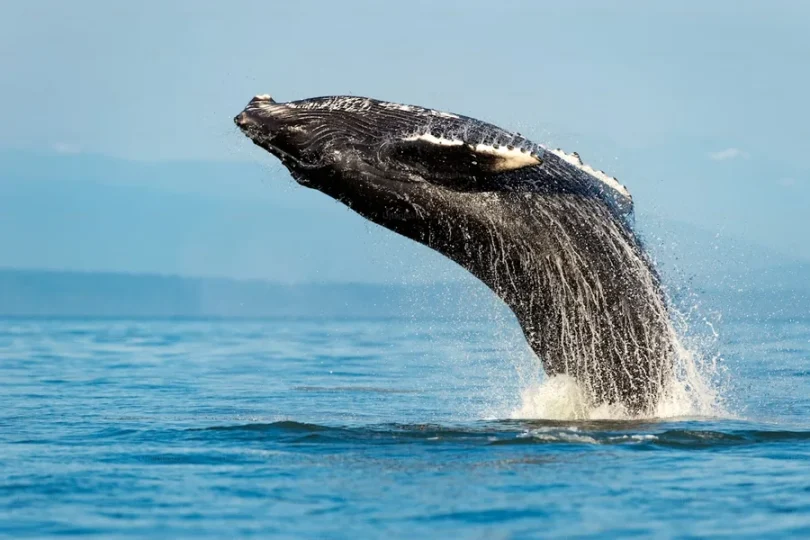

Kona sits along the sunny west coast of Hawaii Island. It is centered around the seaside town of Kailua-Kona along Kailua Bay and the slopes of Hualalai volcano. It faces the Pacific Ocean and is known for its dry, warm climate. Also, its deep offshore waters create an ideal environment for marine life.
Whale watching is more than just an outdoor activity. It’s an experience that brings your family closer to nature and creates lasting memories. Across the United States, from the rugged coasts of Alaska to the temperate waters of California and Massachusetts, whale watching has become a unique way for families to explore marine life together.
Kona is famous for its stunning coastline, rich coffee farms, and world-class ocean adventures. Experience an unforgettable private whale watching near Kona, where you can enjoy the majestic humpbacks up close in a serene, personalized setting.
Why Is Whale Watching Perfect for Family Bonding?
Whale watching offers an unparalleled opportunity for families to disconnect from screens and daily routines. Imagine cruising along the Pacific Coast of Oregon or Maine’s scenic shoreline, spotting massive humpback whales breaching the water just feet away.
Children and adults alike experience awe and excitement simultaneously. Shared moments of wonder, coupled with the storytelling and knowledge-sharing provided by trained guides, help strengthen family connections and spark meaningful conversations about marine life and conservation.
U.S. Destinations that Offer the Best Whale Watching Experience
The U.S. boasts some of the world’s most spectacular whale-watching locations. In Alaska, Juneau and Kenai Fjords National Park allow families to witness humpback whales and orcas in their natural habitats.
California’s Monterey Bay and San Diego provide opportunities to spot blue whales, gray whales, and even playful dolphins along the way.
On the East Coast, Cape Cod, Massachusetts, is renowned for its summer whale-watching season, where children can learn about marine mammals while observing them in action. Each location provides unique scenery, wildlife encounters, and educational experiences tailored for families.
Making Whale Watching Educational for Kids
Whale watching is more than a visual spectacle—it’s an educational journey. Many U.S.-based tour operators provide interactive guides and onboard educational programs, explaining whale behaviors, migration patterns, and the importance of ocean conservation.
Children can ask questions and engage in hands-on activities such as spotting whales through binoculars, recording sightings, or learning about the different species. This experience fosters curiosity, teaches ecological responsibility, and often ignites a lifelong interest in marine biology.
What Makes Whale Watching a Safe and Accessible Adventure?
U.S. whale-watching tours prioritize safety without compromising excitement. Certified guides follow strict safety regulations, and modern boats are equipped with life jackets and emergency equipment.
Many operators provide family-friendly packages, including shorter trips for younger children and wheelchair-accessible vessels. With predictable schedules and well-organized tours, families can enjoy a stress-free adventure that accommodates children of all ages, making it a truly inclusive experience.
Ways Families Maximize the Whale Watching Experience
To get the most out of a whale-watching adventure, planning is key. Book tours during peak migration seasons—late spring through early fall in most U.S. regions—to increase your chances of sightings. Dress in layers, wear sunscreen, and bring binoculars and a camera to capture the unforgettable moments.
Engage children by encouraging them to identify whale behaviors or sketch their observations. Combining excitement, education, and photography ensures a trip that is memorable and enriching for every family member.
Private whale watching in Kona is more than a recreational activity—it’s a shared adventure that educates, entertains, and connects families with the natural world. From the icy fjords of Alaska to the sun-drenched shores of California and Cape Cod, this immersive experience offers an extraordinary chance to create memories that your family will cherish for years.
Key Takeaways
- Whale watching strengthens family bonds by offering shared awe-inspiring experiences.
- The U.S. offers world-class locations for whale watching, including Alaska, California, and Massachusetts.
- Educational programs onboard tours make the activity informative and fun for children.
- Safety and accessibility are priorities, making it suitable for families of all ages.
- Planning ahead, observing migration seasons, and engaging kids in learning maximizes the experience.