
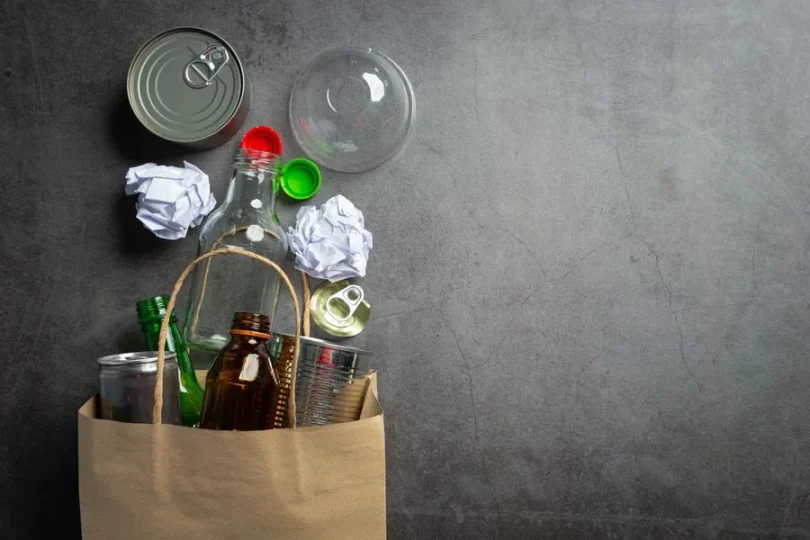

Waste is often framed as an end point. Something is used, it no longer serves its purpose, and it is discarded. The process feels linear and complete. But in reality, what we throw away is rarely without value. More often, it reflects a gap between usefulness and awareness, a moment where something still functional becomes invisible to us.
As conversations around sustainability continue to evolve, there is a growing recognition that waste is not just about volume. It is about perception. What we consider “finished” often still holds potential, whether that is practical, material, or even financial.
The Illusion of “Used Up”
Many everyday items are discarded not because they are unusable, but because they no longer fit into our immediate needs. A printer cartridge replaced before it is fully depleted. Office supplies left behind after a change in workflow. Household items set aside simply because they are no longer top of mind.
These decisions are rarely intentional. They are shaped by convenience.
The problem is not that people are careless. It is that modern consumption encourages quick replacement over careful evaluation. When something becomes slightly inconvenient, it is easier to replace it than to consider what else could be done with it.
Over time, this creates a pattern where value is overlooked rather than exhausted.
Rethinking What “Waste” Really Means
To rethink waste is to question the assumption that an item’s lifecycle ends when it leaves our immediate use.
In many cases, what we discard could still serve a purpose elsewhere. This is particularly true for items that are standardised, reusable, or in demand beyond individual households. Printer toner is a good example. While it may seem like a small, everyday object, it exists within a much larger system of reuse and redistribution.
Understanding that system changes how we approach disposal.
Instead of defaulting to throwing something away, more people are beginning to explore what responsible alternatives look like. For instance, learning how to sell the toner cartridges you no longer need through platforms such as Sell Toner becomes part of a broader shift toward recognising that even highly specific items can retain value beyond their original context.
This shift is not about turning every object into a transaction. It is about recognising that disposal is often a choice, not a necessity.
The Quiet Impact of Small Decisions
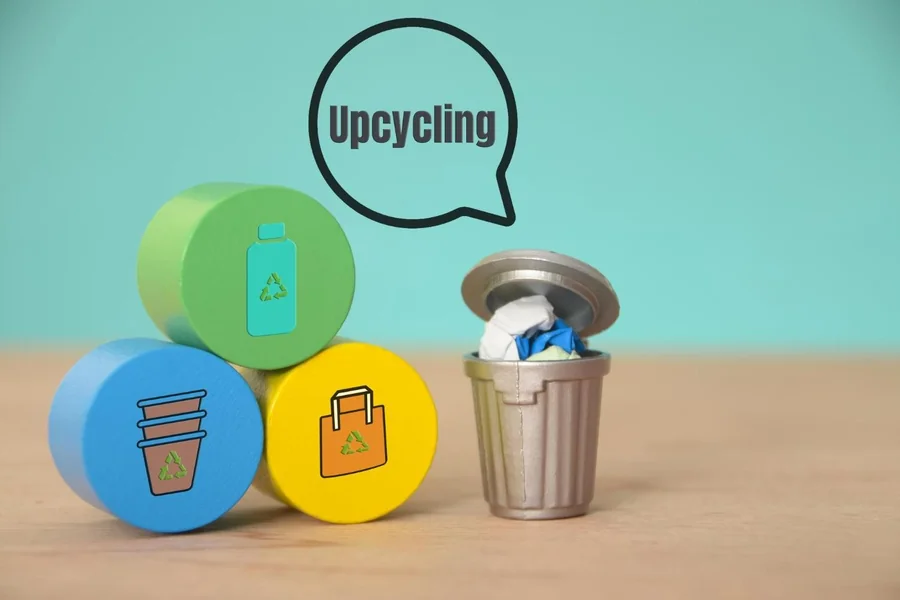
One of the reasons waste is difficult to address is that its impact feels distant. Throwing away a single item does not seem significant. But these decisions accumulate.
A single unused cartridge may not matter. Hundreds or thousands of them, across homes and offices, begin to tell a different story.
The same principle applies in reverse. Small changes, choosing to reuse, resell, or recycle, may not feel transformative in isolation, but they contribute to a larger pattern. Over time, that pattern reshapes how resources are used and how waste is perceived.
This is where intention becomes important. Not as a rigid set of rules, but as a willingness to pause and consider alternatives.
Moving Toward a Circular Perspective
The idea of a circular economy has gained attention in recent years, but at its core, it is a simple concept: keeping resources in use for as long as possible.
This does not require complex systems at an individual level. It begins with awareness.
When we recognise that items can move beyond us, into other homes, businesses, or recycling streams, we start to see consumption differently. Ownership becomes temporary rather than absolute. Disposal becomes a transition rather than an endpoint.
This perspective does not eliminate waste entirely, but it reduces unnecessary loss.
What Environmental Guidance Emphasises
Organisations such as the Environmental Protection Agency emphasise the importance of reducing waste through reuse and responsible disposal practices. Their guidance highlights that extending the life of products not only conserves resources but also reduces the environmental impact associated with manufacturing and disposal.
This reinforces an important idea: sustainability is not only about what we buy. It is about what we do after we no longer need something.
The lifecycle of an item does not end when it leaves our possession. It continues, whether through reuse, recycling, or waste. The choices we make at that point influence the outcome.
Breaking the Habit of Immediate Disposal
Changing how we approach waste does not require dramatic effort. It requires interruption of a habit.
Instead of immediately discarding something, there is a moment of consideration. Could this be used again? Could someone else benefit from it? Is there a system in place that allows it to retain value?
These questions do not always lead to action. But asking them consistently creates awareness, and awareness leads to better decisions over time.
The goal is not perfection. It is progress.
The Emotional Side of Letting Go
Interestingly, rethinking waste also changes how we feel about letting go of things.
When disposal is the default, letting go can feel abrupt or wasteful. There is a sense that something is being lost unnecessarily. But when there are alternative paths, reuse, resale, redistribution, the process feels more complete.
An item does not simply disappear. It continues to exist in a different context.
This shift can make it easier to declutter, to simplify, and to move forward without the underlying discomfort that often accompanies waste.
A More Intentional Relationship With Consumption
Ultimately, rethinking waste is not about reducing everything we own. It is about changing our relationship with what we use.
It encourages a more intentional approach, one where items are valued not only for their immediate function, but for their potential beyond it.
This does not mean holding onto everything or overcomplicating simple decisions. It means recognising that what we discard still matters.
Seeing Value Where It Was Overlooked
The most significant change is often the simplest: seeing value where it was previously overlooked.
A discarded object is no longer just waste. It is a resource, an opportunity, or a continuation of use in another form.
This perspective does not require expertise or major lifestyle changes. It begins with attention.
And once that attention is there, the way we think about everyday waste begins to shift, quietly, but meaningfully, toward something more responsible and more aware.