
Designing a home in Arizona requires more than simply following popular trends because the desert climate quickly exposes weak planning decisions. Intense sunlight, low humidity, and wide temperature swings can make even attractive homes feel uncomfortable if layout, materials, and airflow are not carefully considered. Many homeowners focus first on aesthetics, but what good is a beautiful space if it overheats by midafternoon? Homes that truly succeed in the desert balance openness with climate awareness, creating interiors that feel bright, breathable, and connected to their surroundings.
What Makes Arizona’s Desert Climate So Challenging for Homes?
Arizona’s desert climate places unique demands on residential design, and homes that ignore those realities often struggle with comfort and efficiency. The region experiences intense solar exposure, extremely low humidity, and dramatic temperature swings between day and night. These conditions can quickly turn poorly planned interiors into overheated, glare-filled spaces that feel closed off instead of relaxing. Even well-built homes can feel uncomfortable if orientation, materials, and airflow are not carefully considered from the start.
Many homeowners underestimate how much the desert environment affects daily living until they experience it firsthand. Heat gain through windows, UV damage to finishes, and dust infiltration can all reduce long-term comfort and increase maintenance costs. Why do some homes stay pleasantly cool while others seem to trap heat all day? The answer usually comes down to climate-aware design choices that work with the desert rather than against it. Understanding these environmental pressures is the first step toward creating a home that truly feels open and livable.
Open Floor Plans Done Right (Without Losing Comfort)
Open floor plans remain popular in Arizona for good reason: they promote airflow, improve sightlines, and make interiors feel more spacious. However, simply removing walls does not automatically create comfort, and poorly planned open layouts can actually magnify heat and noise issues. Thoughtful zoning using ceiling treatments, furniture placement, and subtle architectural transitions helps maintain openness while preserving function. The goal is to create flow without sacrificing livability.
Acoustics and temperature control are two areas where open plans often fall short if not carefully managed. Large uninterrupted spaces can create echo problems and uneven cooling, especially during peak summer months. Have you ever walked into a beautiful open home that somehow felt oddly uncomfortable? Strategic ceiling fans, area rugs, and well-placed returns and vents can make a significant difference. When openness is balanced with smart spatial planning, homes feel expansive without becoming inefficient or overwhelming.
Let the Light In, But Keep the Heat Out
Natural light is one of the most powerful tools for making a desert home feel welcoming and connected. Proper daylighting reduces reliance on artificial lighting and visually expands interior spaces. However, in Arizona, unmanaged sunlight can quickly become a liability rather than an asset. Orientation matters greatly, and south- and north-facing windows typically provide more usable light with less heat gain than large west-facing glass.
Modern glazing technology and layered shading strategies allow homeowners to enjoy brightness without excessive solar load. Features such as clerestory windows, deep overhangs, and selective window placement help diffuse light while minimizing glare. Why rely on heavy window coverings that block your view when smarter design can do the work for you? The most successful desert homes treat sunlight as something to shape and filter, not simply invite indoors without control.
Blurring the Line Between Indoors and Outdoors
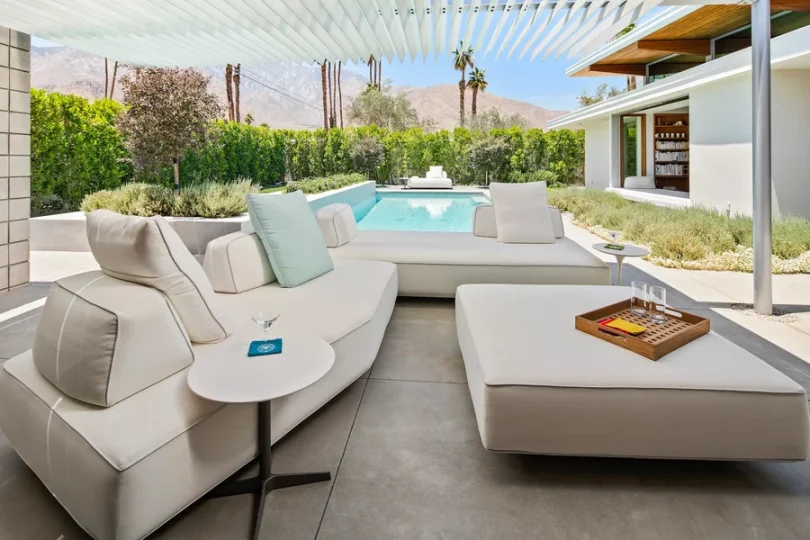
Indoor–outdoor living is more than a design trend in Arizona, it is a practical response to the climate and lifestyle. When done well, seamless transitions expand usable living space and create a stronger connection to the surrounding landscape. Large sliding or pocket doors, covered patios, and courtyard layouts help extend the interior visually and functionally. Consistent flooring materials between inside and outside areas further strengthen this sense of continuity.
However, usability during extreme heat must remain a top priority. Outdoor spaces that look attractive but become unbearable in summer quickly lose their value. Strategic shade structures, proper orientation, and heat-tolerant surface materials keep these areas functional for more months of the year. What good is a beautiful patio if it sits empty for half the year? Thoughtful indoor–outdoor design ensures that exterior spaces remain comfortable, inviting, and genuinely connected to daily life.
Materials That Keep Your Home Cooler and Looking Good Longer
Material selection plays a major role in how desert homes perform over time. Hard surfaces such as tile, stone, and polished concrete tend to stay cooler underfoot and handle temperature fluctuations better than many alternatives. On the exterior, finishes that resist UV degradation and thermal expansion help preserve both appearance and structural integrity. Choosing materials suited to the desert climate reduces long-term maintenance while improving everyday comfort.
Color choices also influence thermal performance more than many homeowners realize. Lighter exterior palettes reflect more solar radiation, while darker surfaces tend to absorb and retain heat. Have you noticed how some homes seem to radiate warmth even after sunset? That effect often comes from poor material and color decisions made early in the design process. Durable, climate-appropriate finishes help homes age gracefully while supporting better energy efficiency.
Designing for Better Airflow and Natural Cooling
Passive cooling strategies are especially valuable in Arizona, where reducing mechanical load can lead to meaningful energy savings. Cross-ventilation, created by aligning operable windows across a space, allows hot air to escape and cooler air to circulate naturally. High ceilings help heat rise above the occupied zone, while properly sized ceiling fans improve perceived comfort even when temperatures remain high. These features work together to create a more breathable interior environment.
Courtyards and shaded exterior pockets can also contribute to natural cooling by forming localized microclimates. When positioned correctly, these areas pre-cool incoming air before it enters the home. Why rely entirely on air conditioning when the building itself can do part of the work? Mechanical systems will always play an important role, but homes that incorporate passive airflow strategies often feel more comfortable and operate more efficiently throughout the year.
How to Make Open Spaces Feel Connected (Not Empty)
Creating openness is only half the challenge, making large spaces feel cohesive is equally important. Clear sightlines between the kitchen, dining, and living areas help maintain visual continuity and reinforce the sense of connection, which is why thoughtful kitchen remodeling often plays a central role in modern desert homes. Consistent flooring, complementary color palettes, and repeated material accents prevent the home from feeling fragmented. These subtle design choices quietly guide the eye and create a more unified experience.
At the same time, well-designed homes still provide moments of separation where privacy matters most. Partial walls, wide cased openings, and thoughtfully placed built-ins help define zones without fully closing them off. Have you ever been in an open home that felt more like a warehouse than a residence? That usually signals a lack of visual anchors and spatial hierarchy. When balance is achieved, the home feels open, intentional, and comfortably human in scale.
Landscaping That Enhances Space Instead of Cluttering It
In desert settings, landscaping should support openness rather than compete with the architecture. Thoughtful xeriscaping uses drought-tolerant plants, clean lines, and intentional spacing to maintain visual clarity. Overly dense planting schemes can make even large properties feel crowded and harder to maintain. Strategic negative space allows architectural features and outdoor living zones to stand out more effectively.
Tree placement deserves special attention because it directly affects both comfort and views. Properly positioned trees provide valuable shade without blocking key sightlines or creating excessive debris near the home. Hardscape elements such as pathways, patios, and low walls can also extend the feeling of usable space when designed cohesively. Why treat landscaping as an afterthought when it plays such a central role in how open the property feels? Well-planned outdoor design reinforces the home’s connection to the desert while keeping maintenance practical.
Common Mistakes Arizona Homeowners Should Avoid
One of the most frequent missteps is installing large west-facing windows without adequate shading. While expansive glass can look dramatic, it often introduces significant afternoon heat gain that is difficult and expensive to manage. Dark exterior finishes and roofing choices can also increase thermal load, forcing cooling systems to work harder than necessary. These decisions may seem minor during construction but tend to compound over time.
Another common issue is designing outdoor areas that photograph well but perform poorly in peak summer conditions. Open concepts can also backfire when airflow, acoustics, and zoning are not carefully planned. Have you noticed how some newer homes feel stylish but oddly uncomfortable after a few hours inside? That disconnect usually traces back to design choices that prioritized appearance over climate responsiveness. Avoiding these pitfalls helps ensure the home remains comfortable, efficient, and enjoyable for years to come.
Conclusion
Creating a desert home that feels open and comfortable comes down to aligning design choices with the realities of the Arizona environment. Smart orientation, climate-appropriate materials, balanced open layouts, and thoughtful outdoor integration all work together to improve daily livability and long-term efficiency. Why settle for a home that merely looks good when it can also perform well year-round? When planning decisions prioritize both comfort and connection to the landscape, desert homes become not only visually appealing but genuinely enjoyable to live in.