
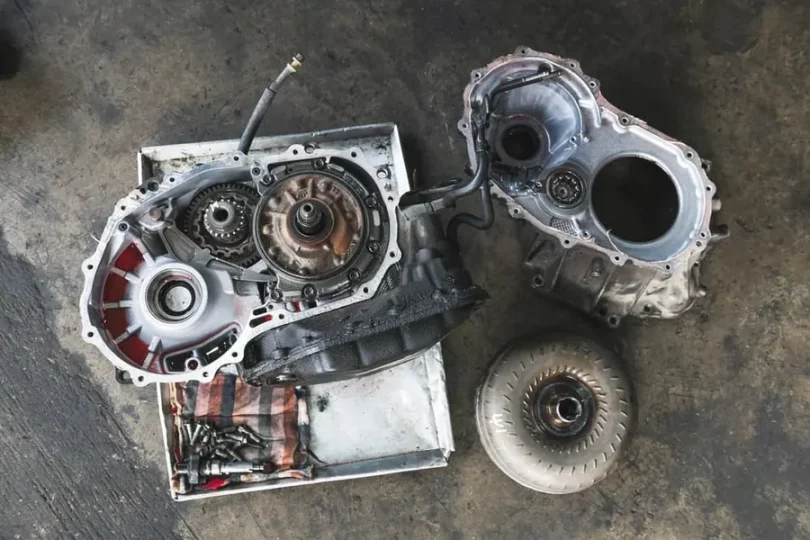

A failing transmission is one of the most stressful automotive problems a driver can face. It affects drivability, safety, and often comes with a repair bill that makes people question whether keeping the vehicle is even worth it. When replacement becomes unavoidable, many drivers encounter two main options: a rebuilt transmission or a remanufactured transmission. On the surface, these choices sound similar, but the differences between them can significantly impact performance, longevity, warranty coverage, and overall value.
Understanding how these options differ is essential before making a decision. Choosing incorrectly can lead to repeat failures, unexpected costs, or disappointment with how the vehicle performs afterward. Choosing correctly can restore confidence in your car and extend its life for years.
This guide breaks down rebuilt and remanufactured transmissions in clear terms, explains how each process works, and helps you decide which option fits your needs, budget, and long term goals.
Why Transmission Replacement Is Such a Big Decision
Unlike many car repairs, transmission replacement is not a quick or inexpensive fix. The transmission is one of the most complex systems in a vehicle, made up of hundreds of precision components that must work together under constant stress. When it fails, the cause could range from worn clutches and seals to damaged gears, valve body issues, or electronic control failures.
Because of this complexity, the quality of the replacement transmission matters just as much as the installation itself. Two transmissions may look identical on the outside, yet perform very differently depending on how thoroughly they were inspected, repaired, and tested before installation.
This is where the choice between rebuilt and remanufactured becomes important.
What Is a Rebuilt Transmission
A rebuilt transmission is typically repaired by a local transmission shop or mechanic after diagnosing the specific failure. The process usually begins with removing the transmission from the vehicle and disassembling it to locate the faulty components.
Only the parts that are worn, damaged, or clearly defective are replaced. Common replacements include clutch packs, seals, gaskets, bands, and sometimes solenoids. Components that appear to be within acceptable wear limits are often reused.
After replacing the failed parts, the transmission is reassembled and reinstalled. In many cases, the rebuild is tailored to fix the immediate problem rather than restore the entire unit to like new condition.
This approach can be effective, especially when the failure is isolated and the rest of the transmission is in good shape. However, it also means that some older components remain in service, which can affect long term reliability.
Pros of Choosing a Rebuilt Transmission
A rebuilt transmission can make sense in certain situations. One of the biggest advantages is cost. Rebuilt units are generally less expensive than remanufactured ones, making them appealing for older vehicles or drivers working within a tight budget.
Another benefit is turnaround time. Local rebuilds can often be completed more quickly than sourcing a remanufactured unit, especially if parts are readily available and the shop is experienced.
Rebuilt transmissions also allow for customization. A skilled technician may be able to address known issues with a specific transmission model or adjust components to suit driving habits, such as towing or stop and go traffic.
Cons of a Rebuilt Transmission
The main drawback of a rebuilt transmission is inconsistency. The quality of the rebuild depends heavily on the skill of the technician, the diagnostic process, and how thoroughly the unit is inspected.
Since not all internal components are replaced, there is a higher risk that another worn part could fail later. This does not mean rebuilt transmissions are unreliable, but their lifespan can vary widely.
Warranty coverage is often more limited as well. Many rebuilt transmissions come with shorter warranties, sometimes covering only parts and not labor. This can become costly if problems arise after installation.
What Is a Remanufactured Transmission
A remanufactured transmission is rebuilt to factory specifications, or better, in a controlled manufacturing environment. Unlike a rebuild that focuses on fixing specific problems, remanufacturing involves a complete teardown and restoration of the entire unit.
Every component is inspected, measured, and tested against strict standards. Parts that do not meet specifications are replaced, regardless of whether they show obvious damage. This often includes upgrades to address known design flaws in the original transmission.
Remanufactured transmissions are assembled using updated components, precision machining, and consistent quality control. Most are tested on dynamometers or specialized equipment to simulate real world operating conditions before being approved for sale.
This process results in a transmission that closely matches the performance and reliability of a new unit, often at a lower cost than buying new from a dealership.
Advantages of a Remanufactured Transmission
One of the biggest advantages of a remanufactured transmission is reliability. Because all wear components are replaced and the unit is restored to strict standards, the risk of early failure is significantly reduced.
Warranty coverage is another major benefit. Remanufactured transmissions typically come with longer warranties, sometimes covering several years or unlimited mileage. These warranties often include both parts and labor, providing peace of mind.
Consistency is also a key factor. Since remanufacturing follows standardized procedures, quality is less dependent on individual technicians and more on established processes and testing protocols.
For drivers who plan to keep their vehicle for many years or rely on it daily, this level of dependability can be worth the higher upfront cost.
Cost Differences and Long Term Value
At first glance, a rebuilt transmission usually appears to be the cheaper option. However, cost should be evaluated over the entire lifespan of the repair, not just the initial invoice.
A rebuilt transmission may save money upfront, but if another internal component fails later, repair costs can add up quickly. In contrast, a remanufactured transmission often costs more initially but delivers better long term value through improved durability and warranty protection.
When comparing options, it is helpful to look beyond the price tag and consider how long you plan to keep the vehicle, how much you rely on it, and how costly downtime would be if another failure occurred.
Many vehicle owners comparing Reman vs Rebuilt realize that the right choice is shaped more by their situation than by definitions.
Vehicle Age and Usage Matter
The age and condition of your vehicle play a significant role in deciding which option is best. For an older car with high mileage and limited remaining lifespan, a rebuilt transmission may be a reasonable investment. Spending more on a remanufactured unit might not make financial sense if other major systems are nearing the end of their service life.
On the other hand, for a newer vehicle or one that is otherwise in excellent condition, a remanufactured transmission can effectively reset the drivetrain and extend usability for many years.
Usage patterns also matter. Vehicles used for daily commuting, commercial purposes, long highway trips, or towing place greater demands on the transmission. In these cases, the added reliability of a remanufactured unit can prevent costly interruptions.
Installation Quality Is Just as Important
Regardless of whether you choose rebuilt or remanufactured, proper installation is critical. Even the best transmission can fail prematurely if it is installed incorrectly, paired with contaminated fluid, or connected to unresolved cooling system issues.
A reputable shop will inspect related components such as the torque converter, transmission cooler, mounts, and control modules. They will also flush or replace the cooler lines to prevent debris from damaging the replacement transmission.
When evaluating options, ask not only about the transmission itself but also about the installation process and what steps are taken to ensure long term success.
Questions to Ask Before Making a Decision
Before committing to either option, consider asking the following questions:
What exactly is included in the rebuild or remanufacturing process
Which components are replaced versus reused
What testing is performed before installation
What does the warranty cover, and for how long
Is labor included in the warranty
What experience does the shop have with my specific vehicle
Clear answers to these questions can reveal significant differences between providers and help you make an informed choice.
Making the Right Choice for Your Situation
There is no universal answer that fits every driver. A rebuilt transmission can be a practical and cost effective solution when performed by a skilled technician and paired with realistic expectations. A remanufactured transmission offers higher consistency, stronger warranties, and greater peace of mind, especially for vehicles you depend on long term.
The key is understanding what each option truly involves and aligning that knowledge with your budget, vehicle condition, and future plans. When you take the time to evaluate these factors carefully, you can move forward with confidence and avoid unpleasant surprises down the road.
Final Thoughts
A transmission replacement is never a small decision, but it does not have to be an overwhelming one. By learning the differences between rebuilt and remanufactured transmissions, you place yourself in control of the outcome rather than reacting under pressure.
Whether you prioritize upfront savings or long term reliability, the best choice is the one that fits your vehicle and your life. With the right information and a trusted repair provider, your car can return to smooth, dependable performance and stay that way for years to come.