

Shared living spaces, such as apartments, dormitories, and co-housing arrangements, bring together people from diverse backgrounds under one roof. While these environments foster community and collaboration, they also present unique safety challenges. Accidents, medical emergencies, and unexpected health issues can arise at any time, making it crucial for residents to be prepared. First aid knowledge empowers individuals to respond quickly and effectively in emergencies, potentially saving lives and reducing the severity of injuries. By understanding basic first aid principles, residents can create a safer, more supportive environment for everyone in the shared space.
Why first aid matters in shared homes
Common risks in shared living environments
Living with others in close quarters increases the likelihood of accidents and health emergencies. Kitchens, bathrooms, and communal areas are hotspots for slips, burns, cuts, and falls. Shared appliances and facilities can sometimes malfunction, leading to injuries or even fires. Additionally, the presence of multiple people with varying routines and habits can contribute to unforeseen hazards, such as allergic reactions, asthma attacks, or sudden illnesses. In these situations, immediate access to first aid knowledge can make a significant difference. When residents are equipped to handle minor injuries or stabilize someone until professional help arrives, the overall safety of the living environment improves. This proactive approach not only minimizes harm but also fosters a sense of responsibility and care among housemates, making shared living more secure and harmonious.
The impact of first aid training on community safety
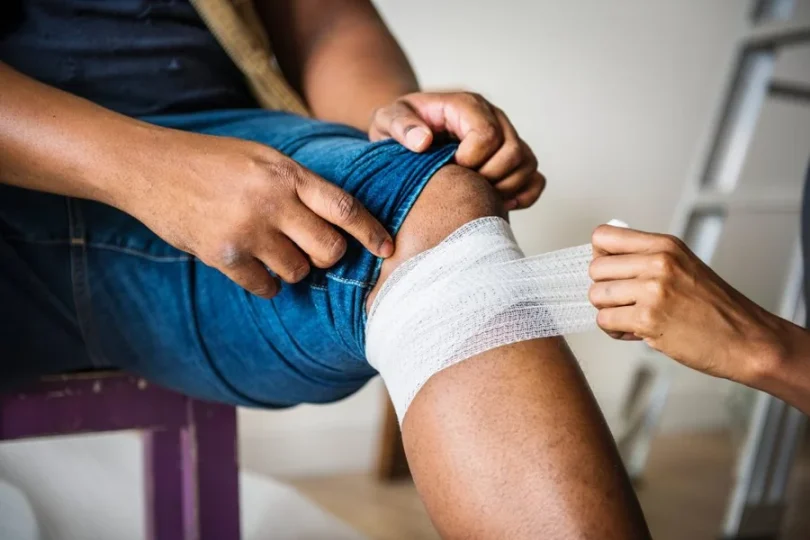
First aid training goes beyond simply knowing how to apply a bandage or perform CPR. It instills confidence and readiness in individuals, enabling them to act decisively during emergencies. In shared living spaces, this preparedness can be the difference between a manageable incident and a crisis. When at least one person in a household is trained in first aid, the entire group benefits from a heightened sense of security. For example, if someone experiences a severe allergic reaction or a fall, a trained resident can provide immediate assistance, reducing the risk of complications. Organizations like Coast2Coast offer accessible first aid courses that cater to people living in urban environments, ensuring that more individuals are equipped with these vital skills. The presence of first aid knowledge within a community not only improves outcomes during emergencies but also encourages a culture of safety and mutual support.
Building confidence and reducing panic
Emergencies can be overwhelming, especially in shared living spaces where multiple people may be present and emotions can run high. First aid knowledge helps individuals remain calm and focused, allowing them to assess situations accurately and take appropriate action. This confidence is contagious; when one person demonstrates composure and competence, others are more likely to follow suit, reducing overall panic. In high-stress scenarios, such as a roommate fainting or a kitchen fire causing burns, the ability to respond quickly and effectively can prevent further harm. Moreover, knowing that someone in the household is trained in first aid can provide peace of mind to all residents, fostering a sense of trust and security. This reassurance is particularly valuable in environments where people may not know each other well, such as student housing or co-living spaces, as it helps build a supportive and resilient community.
First aid for mental health emergencies
Physical injuries are not the only emergencies that can occur in shared living spaces. Mental health crises, such as panic attacks, severe anxiety, or suicidal thoughts, are increasingly common and can be just as urgent as physical health issues. First aid knowledge now often includes basic mental health first aid, equipping individuals to recognize warning signs and provide initial support. In a shared environment, being able to identify when someone is in distress and knowing how to respond appropriately can make a significant difference. Early intervention can prevent situations from escalating and encourage those affected to seek professional help. This aspect of first aid is particularly important in diverse living arrangements, where residents may be away from their usual support networks. By fostering an environment where both physical and mental health emergencies are addressed, shared living spaces become safer and more inclusive for everyone.
Encouraging a culture of preparedness
A culture of preparedness is essential in any shared living environment. When residents prioritize safety and first aid, they are more likely to communicate openly about potential risks and work together to prevent accidents. This proactive mindset can lead to regular safety checks, the creation of emergency plans, and the availability of first aid supplies in common areas. Encouraging all residents to participate in first aid training sessions can further strengthen this culture, ensuring that everyone feels responsible for the well-being of the group. Preparedness also extends to understanding the specific needs of housemates, such as allergies, chronic conditions, or mobility challenges, and making accommodations as necessary. By embedding first aid knowledge into the fabric of daily life, shared living spaces can become models of safety and cooperation, benefiting everyone who calls them home.
First aid knowledge builds trust
Trust is a cornerstone of successful shared living arrangements. When residents know that their housemates are capable of handling emergencies, it creates a sense of security and mutual respect. This trust can enhance relationships and reduce conflicts, as everyone feels confident that their well-being is a shared priority. First aid knowledge demonstrates a commitment to the safety and care of others, reinforcing the bonds that make communal living enjoyable and sustainable.
Conclusion
First aid knowledge is a powerful tool for improving safety in shared living spaces. It equips residents to respond effectively to a wide range of emergencies, from minor injuries to life-threatening situations. By fostering confidence, reducing panic, and encouraging a culture of preparedness, first aid training enhances the overall well-being of everyone in the household. It also addresses the growing need to support mental health emergencies, making shared environments more inclusive and supportive. Ultimately, investing in first aid education is an investment in the safety, trust, and harmony of any shared living arrangement, ensuring that all residents can thrive together.